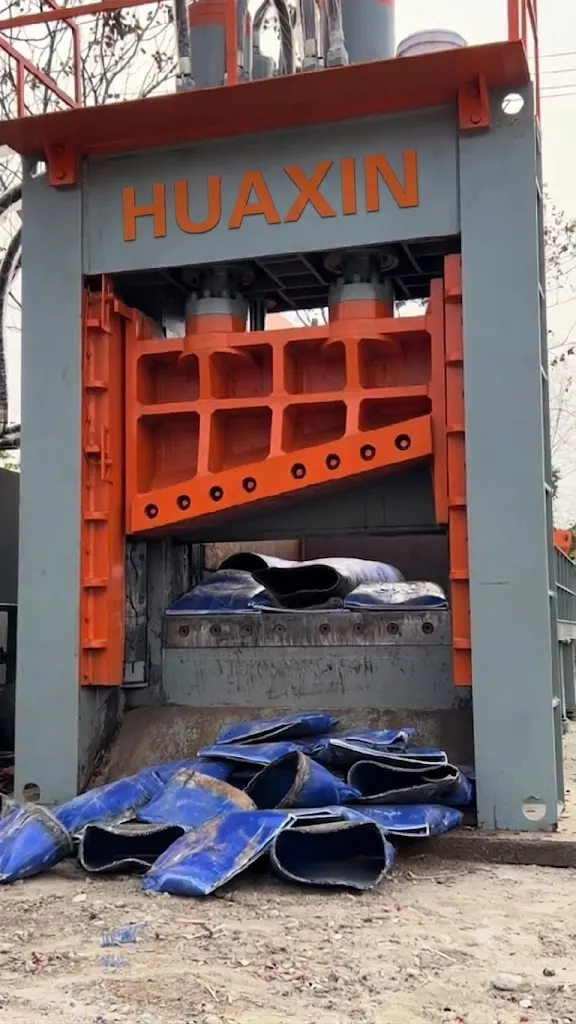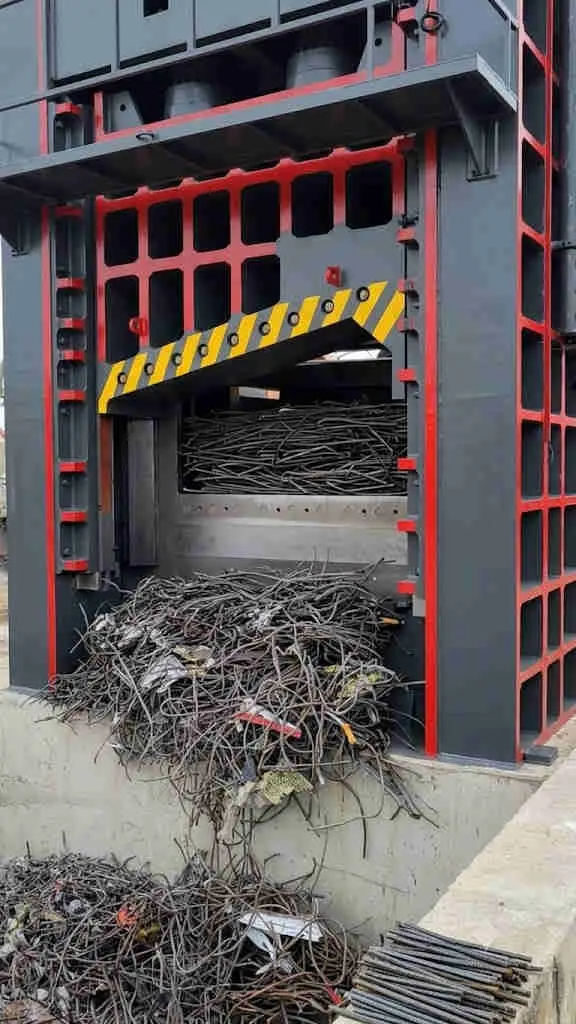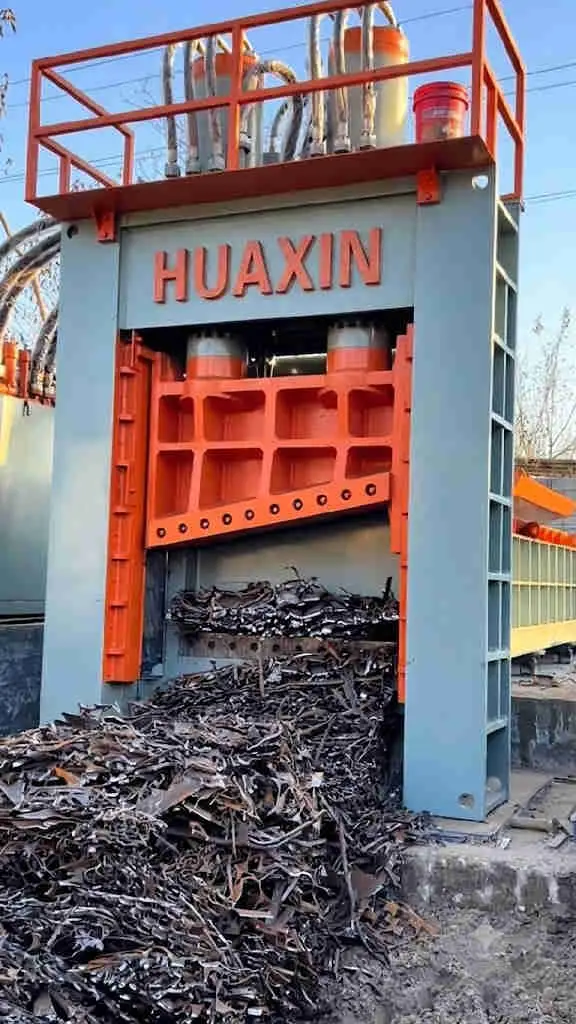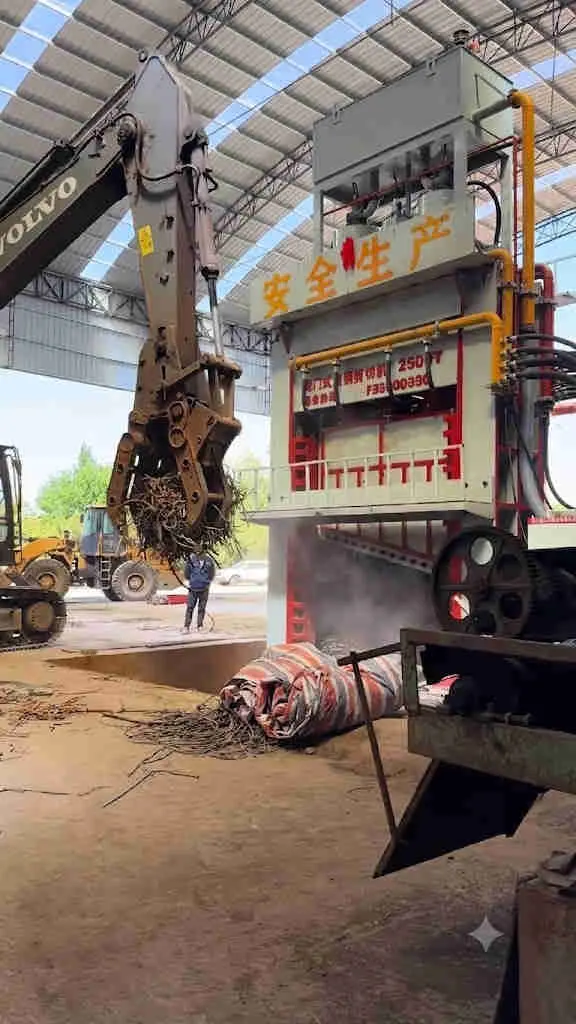
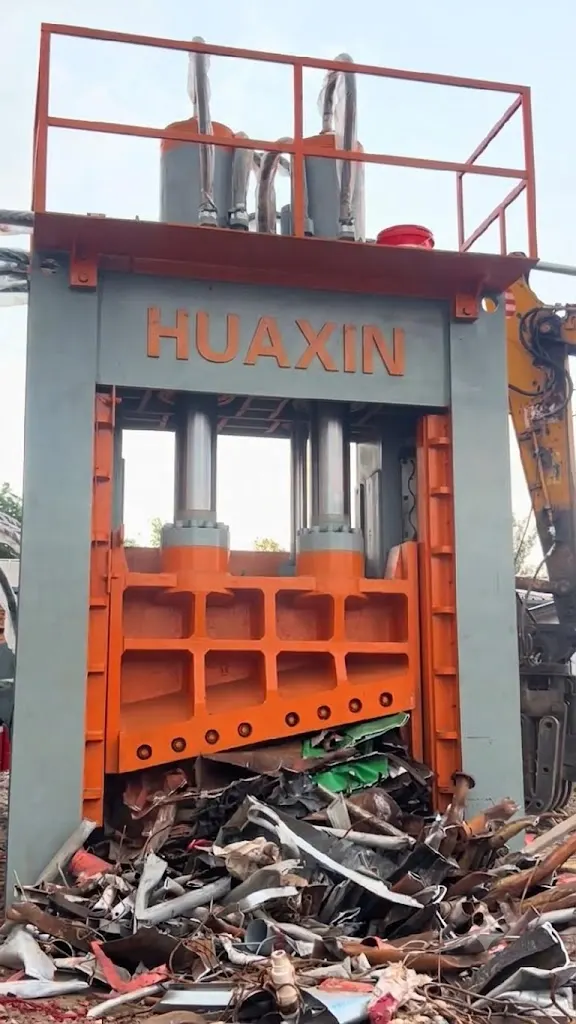
Non-ferrous is the material that pays for the machine, and it cuts differently enough that a yard set up for ferrous will struggle with it. Aluminum and copper are softer, more valuable, and easier to contaminate, and all three facts change how the 400 Ton Scrap Metal Shear Machine (Q91-400) should be set up for them. This article covers the differences. If you are comparing gantry and alligator shear configurations, production runs on the 400 Ton Scrap Metal Shear (Q91-400) illustrate how cutting force and operator discipline impact hourly output.
What non-ferrous does to the blade
Aluminum and copper are soft compared to steel, and soft metal cuts easily. That sounds like good news, and it is, for the force side: a gantry cuts non-ferrous well inside its rating, with no strain on the hydraulics. The catch is that soft metal wears the edge differently, galling and smearing onto the blade face rather than chipping it, and the smear changes the cut quality over a shift.
The blade steel and edge geometry for non-ferrous differ from the ferrous spec, because a blade ground for steel is not optimal for copper and a blade ground for copper is not optimal for steel. A yard that runs both on one machine needs a blade choice and a rotation schedule that accounts for the mix. The blade steel guide covers the specification question.
Why value recovery changes everything
The reason non-ferrous matters is the price. Aluminum and copper sell at multiples of the ferrous price, and every ounce that ends up in the wrong pile is money lost. On a gantry, the risk is contamination: a piece of copper cut on a machine that just cut steel picks up steel shavings, and the contaminated copper sells at a discount or gets rejected outright.
This is why non-ferrous work wants a dedicated machine or a disciplined cleaning routine between materials. A yard that runs copper after steel without cleaning the box and the discharge gives away the margin the non-ferrous was supposed to earn. The material matching guide covers the separation logic.
What the feed looks like
Non-ferrous arrives in forms that are easy to cut but easy to tangle: wire, cable, thin sheet and profiles. The tangled wire is the challenge, because it fills the box without weighing much and moves little tonnage per bite. Thin sheet and profiles cut cleanly and move real weight, and the difference between the two is the difference between the top and bottom of the band.
The sorting gate matters more on non-ferrous than on ferrous, because the value difference between streams is so large. Copper wire pulled from a mixed load sells at its own price instead of being cut into the aluminum pile. The feeding discipline guide covers the charging habits.
Cleaning between materials
The contamination problem has a simple fix and a discipline problem, and they are different things. The fix is cleaning the machine between materials: clearing the box, the blade area and the discharge of the previous material before the next one runs. The discipline is doing it every time, not just when a big order comes through, because the contamination happens on the small runs too.
The maintenance guide covers the cleaning routine, and the cycle guide covers what a contaminated cut looks like from the control station.
What the sorting gate recovers on non-ferrous
The sorting gate is where non-ferrous work actually pays, and it recovers more per minute than any ferrous pass. Copper wire, aluminum profiles and brass fittings all sell at multiples of the ferrous price, and a mixed load that is not sorted buries that value in the cut. The gate separates the streams at intake, and the separated material sells at its own price instead of a blended one.
The discipline is the same as on ferrous, but the stakes are higher because the price difference between streams is larger. A piece of copper that lands in the aluminum bin is a loss measured in the difference between two high prices, not a small discount. The gate is one operator’s attention, and on non-ferrous it is the highest-return minute in the yard.
The material matching guide maps the streams to their buyers, and the locating guide covers the set-aside pile as the signal that the gate is out of its depth.
Why non-ferrous and ferrous do not share a discharge
The discharge on a non-ferrous run has to stay separate from the ferrous pile, and the reason is the same contamination that plagues the blade. A piece of aluminum landing on the steel pile carries steel shavings with it, and the contaminated aluminum sells at a discount. The two streams need two destinations, and the handling between them has to be planned rather than improvised.
The discharge planning guide covers the two-stream routing, and the line design guide covers how the streams get kept apart. On non-ferrous the discharge is where the margin is either kept or given away.
Engineering & Field FAQ: Non-Ferrous Aluminum and Copper on a Gantry Shear
Can a gantry shear cut aluminum and copper?
Yes, cleanly, well inside its force rating. The differences are in the blade specification, the cleaning discipline between materials, and the value recovery that makes contamination costly.
Why does copper need its own blade or cleaning?
Because a machine that just cut steel leaves steel shavings behind, and the shavings contaminate the copper and discount its price. Either a dedicated machine or a disciplined cleaning routine between materials solves it.
Is non-ferrous worth a dedicated setup?
At its price, usually yes. The value difference between clean and contaminated non-ferrous is large enough that the cleaning discipline or a dedicated machine pays for itself quickly. The margin is in the separation.
What do you need to recommend a non-ferrous setup?
What non-ferrous you run, whether it runs mixed with ferrous or separate, and the daily tonnage. The written recommendation comes back within two business days.
Evaluating equipment specifications or FOB/CIF delivery schedules for your plant? Compare full machine parameters on our 400 Ton Scrap Metal Shear (Q91-400) page, review our scrap metal shear engineering hub engineering hub, or contact HUAXIN’s Tangshan engineering team with your feedstock photos and target daily tonnage.