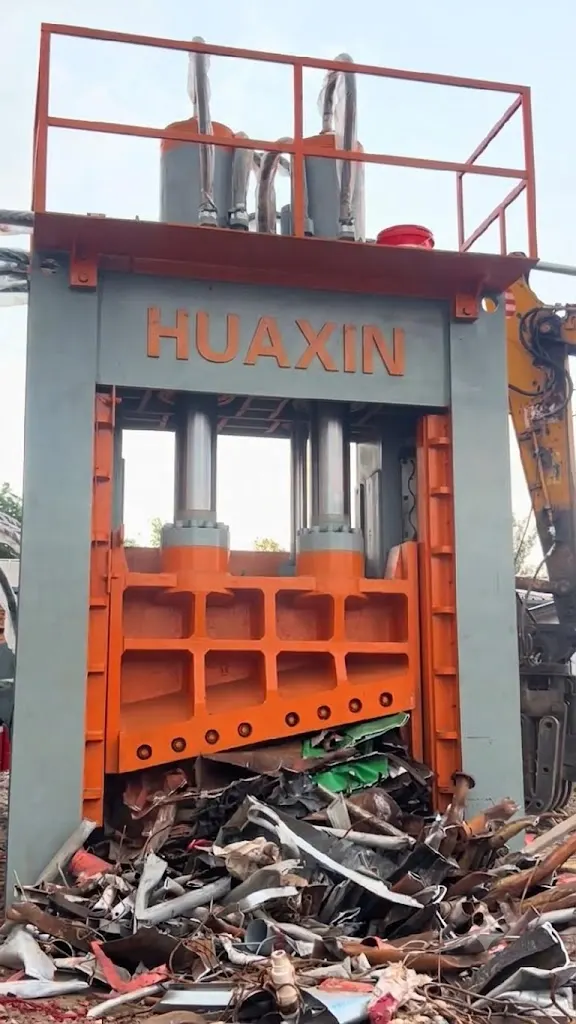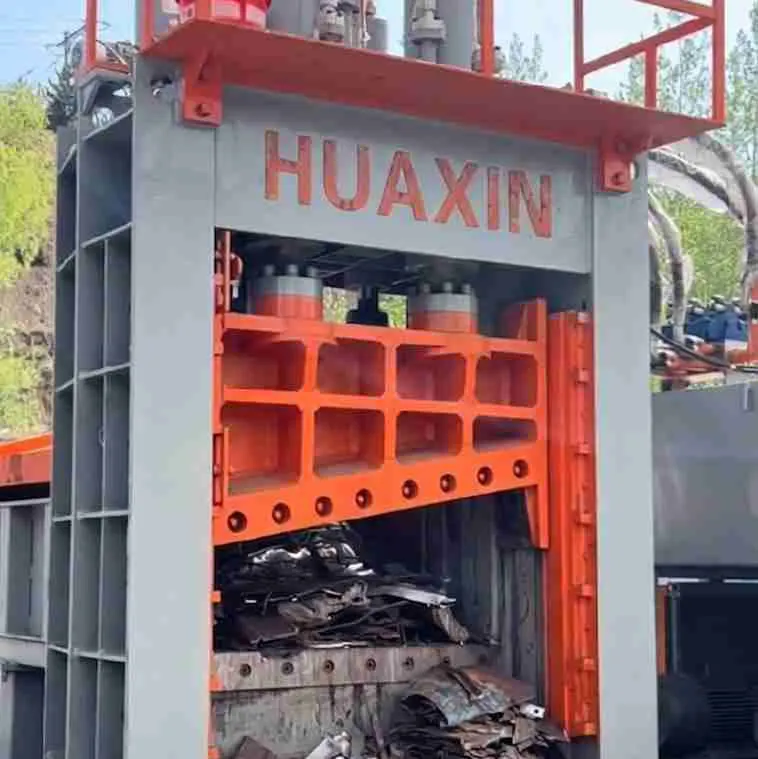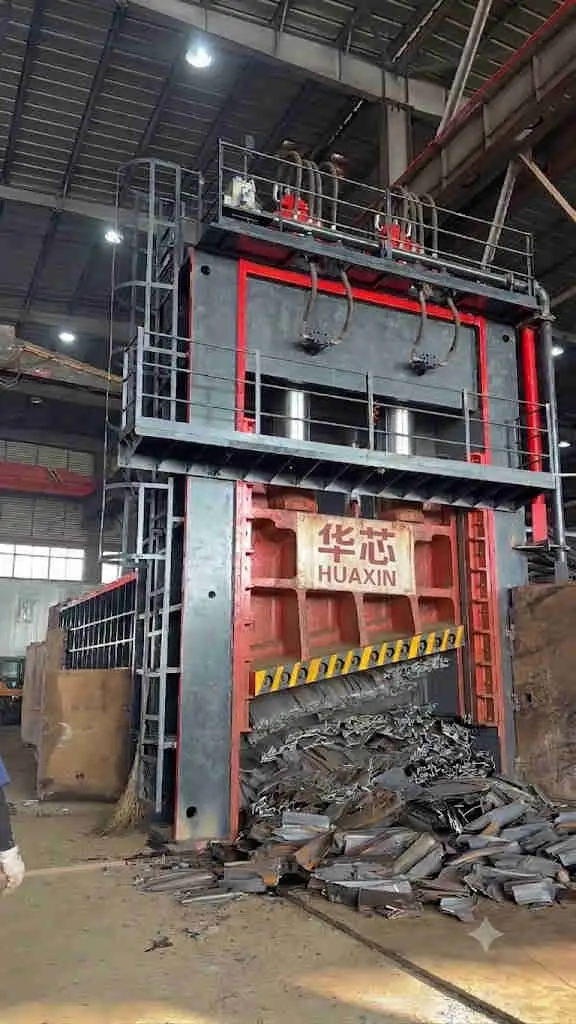
The same car, in two different conditions, is two different materials. Flattened to a shell, it is dense, uniform plate that a gantry cuts cleanly. Whole and intact, it is a tangle of sheet, section and non-ferrous that belongs in a shredder. This article is about telling the two feeds apart, and sizing the right stage for each. If you are comparing gantry and alligator shear configurations, production runs on the 315 Ton Scrap Metal Shear (Q91-315) illustrate how cutting force and operator discipline impact hourly output.
How to tell the two feeds apart at the gate
The split is visible the moment the load arrives, and the gate is where it gets recorded. A flattened shell is a compact block, dense and roughly uniform, that a single operator can read at a glance. A whole frame is the car itself: the shape, the weight distribution and the visible non-steel all still present. The two take seconds to distinguish.
The distinction should be written down, not left to memory, because the split is the design input for the whole line. A clipboard at the gate with two columns, flattened and whole, run for a normal month, gives you the percentage that decides everything else. Most yards have never run the count, and the count is the cheapest specification work available.
Weigh the two piles if you can, or estimate from the mix if you cannot. The number you end up with is the answer to the stage question, and it is honest in a way a forecast never is. The stage decision guide covers the counting habit in detail.
What each feed does to the blade
The two feeds wear a blade in opposite ways, and the log tells you which one you are running. A shell is dense and uniform, and it wears the edge evenly across its length, so the rotation interval holds close to the published figure. A frame is irregular and contaminated, and it wears the edge unevenly, chipping one corner on a heavy section and dulling another on the trim.
The signature is the interval itself. When it shortens and the material mix is unchanged, the feed has shifted toward whole frames, and the log is reporting a change the crew already half-noticed at the gate. Reading the log against the gate count confirms what is happening without an argument.
The maintenance guide covers reading the log, and the cycle guide covers the other signature the shift produces. Both are free, and both point at the same conclusion when the frames are arriving.
What the non-ferrous recovery changes
The non-ferrous is the quiet driver of the whole decision, and most yards underestimate how much it matters. A whole frame hides copper, aluminum and other high-value metal, and recovering it is not a side benefit; it is the margin that justifies the shredder stage. A flattened shell has already had much of that value either removed or bound into the mass, so the recovery question is smaller and the gantry is the honest machine.
Ask where the non-ferrous currently goes, and the answer usually points at which stage belongs in front. If it is disappearing into the cut, the shredder is missing. If a separate stream already exists, the gantry may be all the yard needs. The split is really a value question dressed as a machine question.
The material matching guide maps the streams to their machines and their buyers, and the economics of separation usually settle the stage question by themselves once the numbers are on the table.
What the flattening stage actually costs
The flattening stage is a real purchase, and it has a return that shows up in the gantry’s numbers rather than in the flattening itself. A press or baler sized for vehicle bodies produces the dense shells the gantry feeds efficiently, and the efficiency is the return: higher tons per bite, cleaner cuts, longer blade intervals. The stage pays for itself in the gantry’s throughput before it pays for itself anywhere else.
Count the two stages as one purchase rather than two, because they share a duty declaration and a spares base. A line quoted as two separate machines drifts into two separate maintenance cultures within a year, while a line quoted as one specification holds its rhythm. The baler range covers the flattening machines.
The handoff between the stages is specified at quotation rather than discovered on the floor. Drop height, buffer volume and the cycle rates both stages were sized against all get confirmed before the order, and the pairing guide covers the specification.
What the buyer does to the decision
The split follows your buyers, not a fixed rule. A buyer who takes whole vehicles changes the calculus, because the shredder stage moves from a necessity to an option. A buyer who wants clean, separated streams pushes the shredder stage to the front. The same intake can need different stages depending on who is buying the output.
The buyer’s length and density spec also shapes the stage order, because a buyer who wants a specific charge size pushes the flattening stage to a specific configuration. What the buyer accepts is the anchor the whole line gets built around, and it is worth writing down before either stage is quoted.
Re-read the split whenever the buyer changes. The stage decision guide covers how the buyer’s spec anchors the stages, and the decision that was right last year is the one to re-check this year.
What the set-aside pile records
The physical record of the split is the pile of vehicles the yard could not process: the whole frames set aside because they did not belong in the gantry, the contaminated shells waiting for the draining station, the non-steel waiting for a buyer. Its growth rate is a measurement, and most crews know it without being told. Monthly set-asides are a scheduling note; weekly set-asides are a stage decision.
Photograph the pile at the start of a month and at the end, and the two photographs are the stage conversation. They are the one document in the yard that cannot argue back, because the pile records what actually arrived regardless of what anyone remembers or hopes.
If the pile grows from weekly to daily, the missing stage is the one the pile represents, and the honest answer is to buy it rather than to keep feeding around it. The locating guide covers the set-aside count as a sizing signal.
Engineering & Field FAQ: Flattened Shells vs Whole Frames: Two Feeds, Two Machines
Why does a whole frame need a shredder?
Because the shredder tears the object apart so the streams separate, and the separation is where the non-ferrous value is recovered. A gantry cuts the whole frame as one mass and buries the value.
Can I flatten bodies and then shear them?
That is the correct two-stage sequence: flatten or bale first, then shear the dense shells. The flattening is what makes the gantry the right machine, and the two stages get sized against each other at quotation.
What is the share of whole vehicles that tips the decision?
There is no fixed number; the month of counting tells you. When whole vehicles are a meaningful, growing share of intake, the shredder stage is the honest answer, and the gantry moves behind it for the heavy fraction.
What do you need to design the line?
The flattened-versus-whole split for a normal month, the daily tonnage, and where the non-ferrous currently goes. The written recommendation comes back within two business days with the stage order your material supports.
Evaluating equipment specifications or FOB/CIF delivery schedules for your plant? Compare full machine parameters on our 315 Ton Scrap Metal Shear (Q91-315) page, review our scrap metal shear engineering hub engineering hub, or contact HUAXIN’s Tangshan engineering team with your feedstock photos and target daily tonnage.