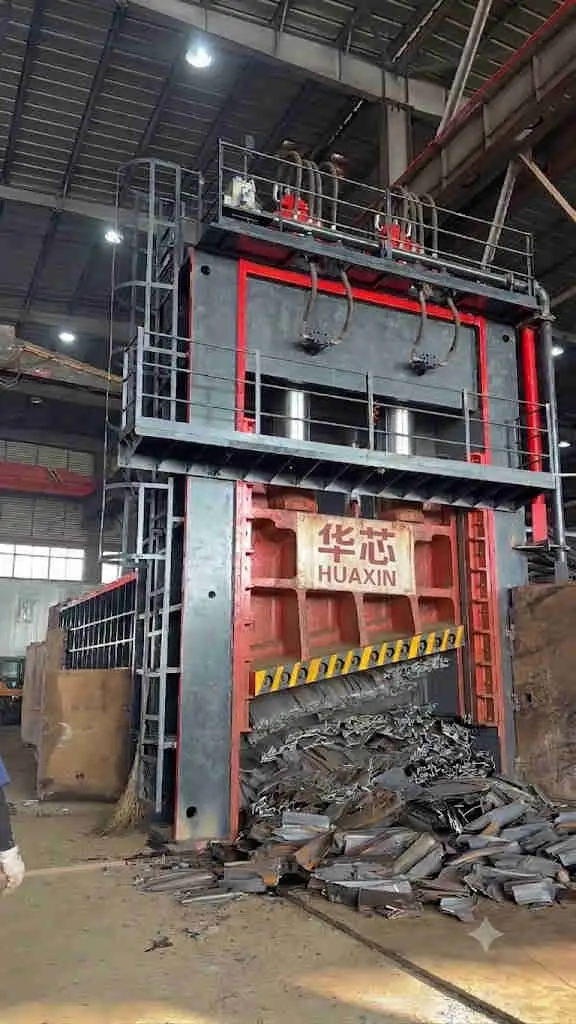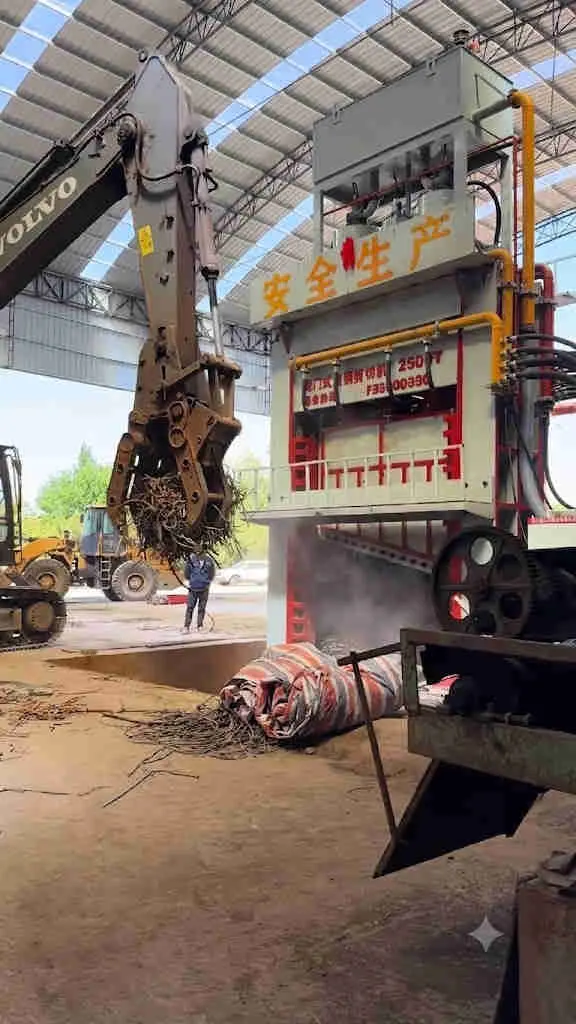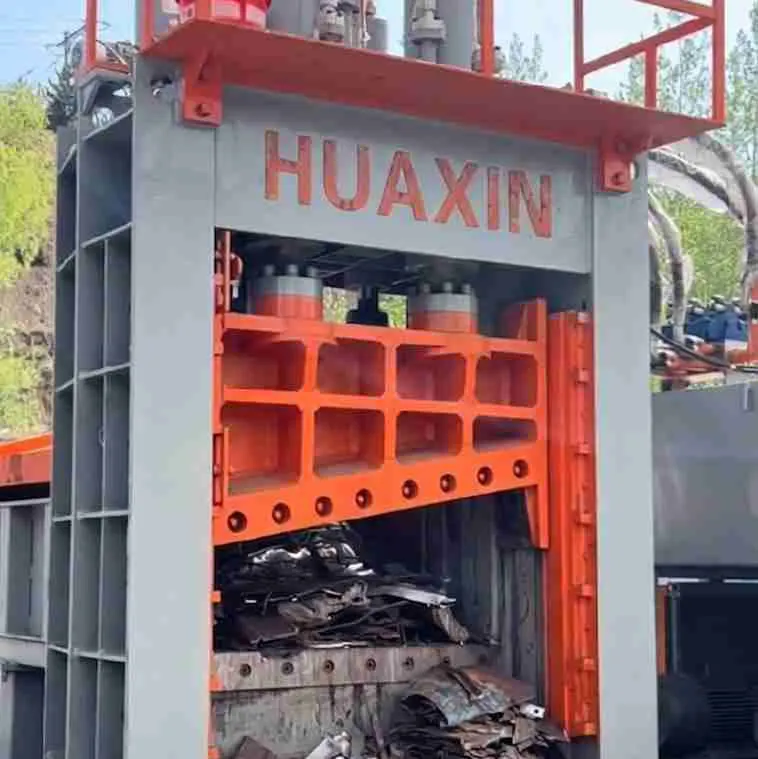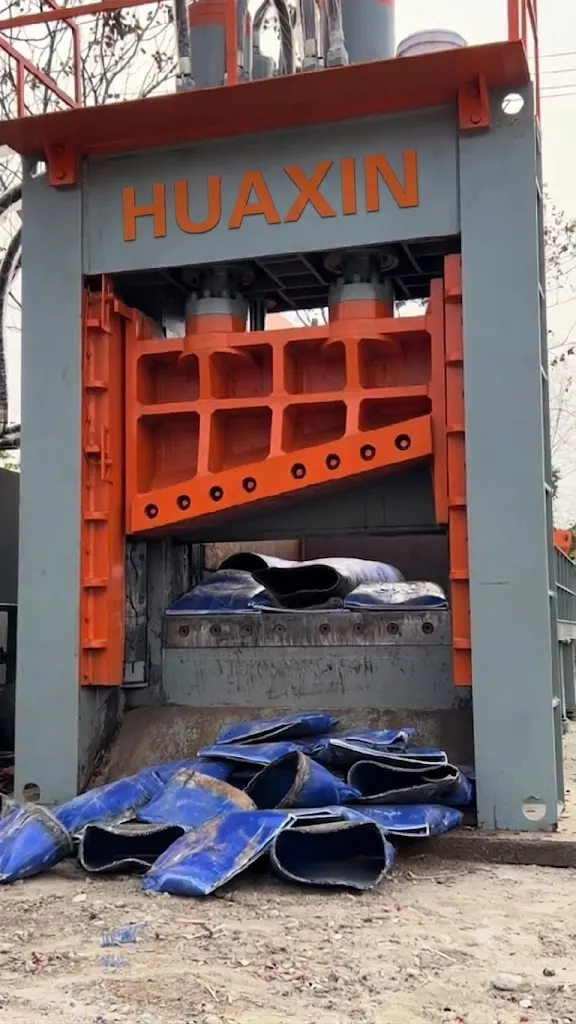
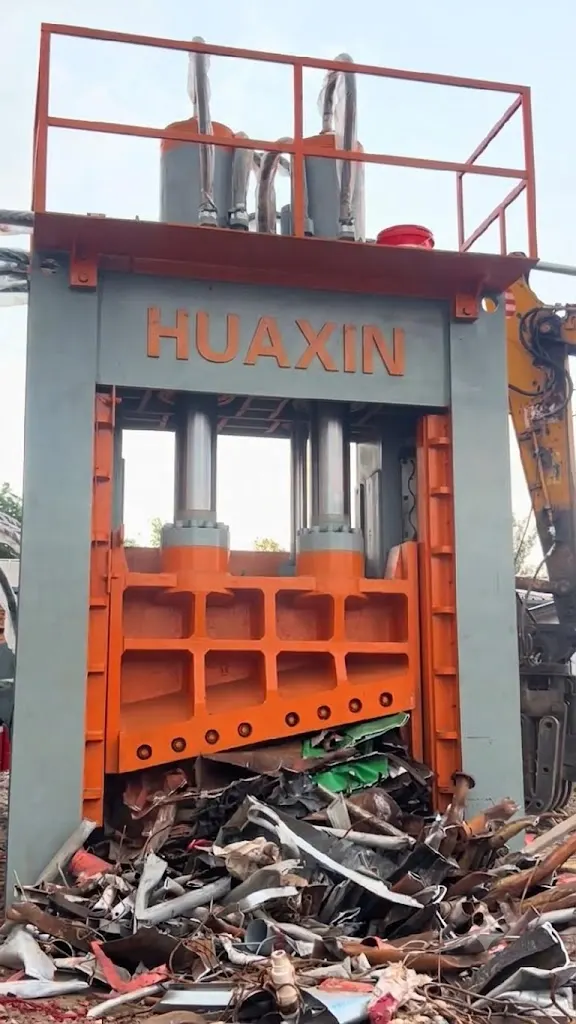
The blade that cuts steel well is not the blade that cuts copper well, and a yard that runs both on one machine learns the difference in the rotation log. Non-ferrous is soft, and soft metal wears an edge by smearing rather than chipping, which changes the blade spec, the geometry and the rotation schedule. This article covers what soft non-ferrous does to the edge and how to spec for it. If you are comparing gantry and alligator shear configurations, production runs on the 400 Ton Scrap Metal Shear (Q91-400) illustrate how cutting force and operator discipline impact hourly output.
What soft metal does to the edge
Steel wears a blade by chipping and dulling the edge against hard material. Aluminum and copper wear it by galling, a process where the soft metal adheres to the blade face and builds up over a shift. The build-up changes the effective geometry of the edge, making the cut less clean, and it has to be removed rather than just rotated around. A blade with copper galling on it cuts the next load of copper worse than a clean one.
The signature is the cut quality. A blade that is galling produces a ragged cut and a higher force per cycle, and the operator notices before the log does. The maintenance guide covers cleaning the build-up, and the cycle guide covers the force signature.
How the spec differs from ferrous
The blade specification for non-ferrous differs from the ferrous spec in grade, hardness and edge angle. A softer blade with a sharper edge cuts copper and aluminum more cleanly than the harder, tougher blade that steel demands, because the soft metal does not need the toughness and benefits from the sharpness. Running a steel-spec blade on non-ferrous works, but it wears the wrong way and cuts less cleanly.
The blade steel guide covers the specification rows, and the practical point is that a mixed-material yard needs either two blade sets or a compromise spec that accepts a shorter interval on both. The choice follows the mix, and the mix is worth describing at quotation rather than guessing.
Rotation and cleaning on a mixed machine
A machine that runs ferrous and non-ferrous on the same blade set needs a rotation and cleaning schedule that accounts for both. The galling from non-ferrous has to be cleaned off before the steel load runs, or the build-up dulls the steel cut. And the steel edge has to be rotated before the non-ferrous load, or the chip from steel work carries into the softer cut.
The schedule is the discipline, and the log is what keeps it honest. Three lines per rotation: date, tonnage, and which material ran, so the interval for each stream is visible rather than averaged. The maintenance guide covers the mechanics.
When a dedicated machine is the answer
A yard that runs meaningful volume of non-ferrous every week usually ends up with a dedicated machine or a dedicated blade set, because the cleaning and rotation between materials costs more than the separation. The decision is arithmetic: price the cleaning time and the discounted contaminated loads against the cost of a second machine or a second blade set, and the volume decides.
The material matching guide covers the separation logic, and the stage decision guide covers when a dedicated setup stops being optional. For most mixed yards the answer starts as a discipline and becomes a purchase as the volume grows.
What the build-up does to the next cut
The galling that builds up on a non-ferrous blade does not stay on the blade; it comes off into the next cut. A blade that has run copper and then cuts steel carries a smear of copper into the steel, and the steel load picks up contamination it never had. The same works in reverse, with steel shavings from a ferrous run landing in the aluminum that follows.
The cleaning routine is what breaks the chain. Clearing the blade face and the discharge between materials stops the previous material from following into the next load, and the routine is the discipline that makes a mixed machine viable. The maintenance guide covers the cleaning steps.
The contamination is invisible until the buyer rejects a load, and by then the margin is already gone. A yard that cleans between materials never sees the rejection; a yard that does not discovers it at the worst moment, which is the first big non-ferrous order.
Reading the rotation log on a mixed machine
The rotation log on a mixed machine has to separate the streams, or it tells you nothing. A single interval averaged across steel and copper hides the fact that the two materials wear the blade differently, and the average is what leads to a blade rotated too late for one stream and too early for the other.
The fix is three columns: date, tonnage, and which material ran. Three months of that log gives you two intervals, one per stream, and each one is honest. The yard that runs the separated log adjusts the rotation to the material; the yard that averages discovers the mistake in the blade bill.
The maintenance guide covers the mechanics, and the log is the one habit that makes a mixed non-ferrous and ferrous machine sustainable.
Engineering & Field FAQ: Blade Choice for Aluminum and Copper
Do I need a different blade for copper than for steel?
Ideally yes. A softer, sharper blade cuts copper and aluminum more cleanly, while steel needs a tougher edge. A mixed yard either runs two blade sets or accepts a compromise spec with a shorter interval on both.
How do I stop copper contaminating the steel cut?
Clean the build-up off the blade between materials and keep the streams separate at the gate. The galling from non-ferrous dulls the steel cut if it is left on, and the cleaning is part of the rotation routine.
Is a dedicated non-ferrous machine worth it?
It depends on volume. Price the cleaning time and the contaminated loads against the second machine, and the weekly volume decides. Most yards start with a discipline and buy a dedicated setup as volume grows.
What do you need to spec the right blade?
What non-ferrous you run, the share that is copper versus aluminum, and whether it runs mixed with steel. The written recommendation comes back within two business days with the blade spec and the rotation schedule.
Evaluating equipment specifications or FOB/CIF delivery schedules for your plant? Compare full machine parameters on our 400 Ton Scrap Metal Shear (Q91-400) page, review our scrap metal shear engineering hub engineering hub, or contact HUAXIN’s Tangshan engineering team with your feedstock photos and target daily tonnage.