
Loose rebar and bundled rebar are two different materials wearing the same name. A yard that specs a machine for the loose version and starts receiving bundles discovers the difference in the first heavy week, usually as a shortened blade interval and a cycle that stretches for no visible reason. This article is about reading the bundle mix and knowing when it means the class above. When sizing hydraulic scrap shear equipment for continuous duty, field data on the 200 Ton Scrap Metal Shear (Q91-200) highlights the link between frame rigidity, cycle speed, and operating cost.
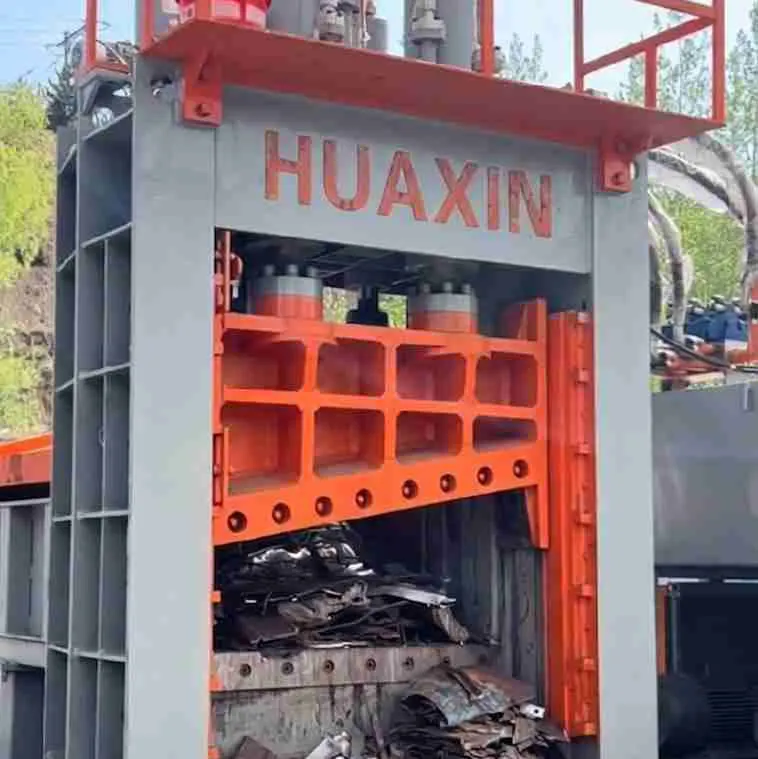
What a bundle does to the cut
A bundle is one mass held together by wire or bindings, and the machine treats it that way until the bindings give. The first cut loads the blade across a section that is wider and denser than any single bar in it, then the whole thing relaxes as the bindings break and the bars separate. That load, then relax, then load again is what wears the edge unevenly and stretches the cycle.
The Q91-200 handles bundles occasionally, and the published material table says so. What it is not built for is bundles as the daily diet. The difference is frequency, and frequency is the whole test. The orientation guide covers what uneven loading does to the edge, and the same physics applies to a bundle.
Reading your own bundle mix
The measurement is simpler than most buyers expect, and it takes an afternoon at the gate. Sort a normal month of intake into two piles: loose bar and bundled bar. Then weigh the bundle share. If bundles are under a third of the rebar and they arrive as manageable lifts, the entry class holds. If bundles are most of it, or they arrive as heavy lifts the loader struggles to place cleanly, the material has voted.
There is a third signal worth watching too: the bindings. Bar bundled with heavy wire cuts differently from bar bundled with light tie, because the binding is part of what the first cut goes through. A buyer who knows the binding knows more about the feed than most suppliers will ask for. The HMS guide covers the same frequency logic on a heavier material.
What the class above buys you
The 315 Ton Scrap Metal Shear Machine (Q91-315) carries 25 to 45 tons per day with continuous cutting at 30 mm, and that headroom is what changes the bundle math. The heavier frame and larger box take a bundle without the load-relax cycle the 200 fights, and the blade intervals hold closer to the published figures because the cut lands inside the machine’s working range rather than at its edge.
The step is justified by the bundle mix, measured, or it is not justified at all. A yard that steps up for projected volume buys force it cannot use. A yard that steps up because the bundles arrived buys a machine that disappears into the production plan. The comparison guide walks the ladder.
What to do before you buy anything
Two fixes sit between a bundled-rebar yard and a new machine, and both are cheaper than the class step. The first is the sorting gate: one pass that separates bundles from loose bar, and the bundles go to the machine’s occasional rating rather than its daily diet. The second is the binding discipline with your supplier: bar bundled in lighter lifts, or bar that arrives loose, changes the cutting problem more than any machine does.
Run those two for a month and re-count the mix. If the bundles still dominate, the class question is answered and the step is honest. If they recede, the entry machine was right all along and you saved the purchase. The locating guide covers the counting habit.
How the binding wire changes the first cut
The binding is part of the material, and buyers who ignore it are sizing for a bar that never arrives. Heavy binding wire goes through the blade on the first cut and adds load that is not in the bar diameter. Light tie breaks early and barely registers. The difference is small on any single bundle and real across a week, because it is exactly the kind of extra load that shortens an edge at the entry class.
The practical reading is to note the binding when you count the bundle mix. Heavy wire pushes the bundle closer to the occasional rating even when the bar itself is light. A supplier conversation about lighter bindings, or about bundling in smaller lifts, changes the cutting problem more than any machine will. The blade steel guide covers what the edge specification should say for the feed you actually run.
What the lift weight does to the feed
A bundle that the loader can place cleanly is one job. A bundle that is a struggle to lift is another, and the struggle shows up as a bad charge: the bundle drops into the box at an angle, the hold-down clamps it crooked, and the first cut loads one corner of the edge. Lift weight is a feed variable that most sizing conversations never mention, and it is the quiet reason two yards with the same rebar get different blade life.
Ask your loader operator which bundles are awkward before you size the machine. The answer is the heaviest lift the feed arrangement has to handle cleanly, and it belongs in the quotation conversation next to the bar diameter. The feed guide covers the loading arithmetic.
Why the step up is a material decision, not a tonnage one
Most class mistakes on bundled rebar are tonnage mistakes. The yard bought for the day it had rather than the feed it receives, and the feed decided anyway. A yard running the same daily tonnage as a neighbour can need a different class if its bundles are heavier or its bindings are tighter, and no tonnage figure on an inquiry form captures that.
This is why the material list matters more than the daily figure at quotation, and why the written recommendation we send back is built around the heaviest routine piece and the bundle mix rather than around the tonnage. The force rule covers the headroom check, and it is arithmetic rather than judgment.
Engineering & Field FAQ: Bundled Rebar: When the Feed Points at a Bigger Shear
What is the difference between loose and bundled rebar?
One cut. Loose bar cuts bar by bar at the published cycle. A bundle cuts as one mass until the bindings give, and the load-relax cycle is harder on the blade and slower on the cycle. Frequency decides whether that difference is a note or a class change.
How much bundled rebar is too much for a 200 ton shear?
When bundles are most of the rebar intake, or they arrive as heavy lifts, the material has moved past the entry class’s daily diet. As a monthly exception, bundles are exactly what the occasional rating is for.
Can I keep the 200 and just sort harder?
Often yes, for a while. A sorting gate and a binding conversation with the supplier both reduce the bundle load the machine actually sees. Run those for a month and re-count before you spend on a machine.
What do you need to recommend the right class?
The bundle share of your rebar intake, the lift weights the loader handles, and your daily tonnage. The written recommendation comes back within two business days, including when the answer is the machine you already have.
What if my bundles arrive irregularly?
Irregular bundles are exactly what the occasional rating is for, and the entry class holds if the share stays low and the lifts stay manageable. The set-aside pile is the signal to watch: when the bundles you cannot feed cleanly start accumulating daily rather than monthly, the material has voted and the class question is answered.
Summary Checklist: Bundled Rebar
The difference between loose and bundled rebar is frequency, and frequency is the whole test. Count the bundle mix, note the binding and the lift weight, and let those three measurements decide the class rather than the tonnage on the inquiry form. Run the sorting gate and the supplier conversation first, and if the bundles still dominate after a month, the step up is honest and the machine you buy will disappear into the production plan instead of fighting it.
Keep the set-aside pile in view while you run the counts. It is the physical record of the feed the machine could not take cleanly, and its growth rate is a measurement most crews know without being told. When the pile moves from a monthly event to a daily one, the bundle question has answered itself, and the class above is the machine that takes what the pile contains. That is the honest sequence: sort first, count next, and only then spend, because a class decision made on a month of honest counts beats one made on a projection every time, and the machine that follows a projection is the one that fights the feed in year two, which is the opposite of what a production machine is supposed to do.
Want cycle-time calculations or container loading details for your scrap mix? Compare full machine parameters on our 200 Ton Scrap Metal Shear (Q91-200) page, review our heavy-duty scrap metal shear series engineering hub, or contact HUAXIN’s Tangshan engineering team with your feedstock photos and target daily tonnage.
One Comment