Cutting I-Beams and H-Beams Cleanly on a 400 Ton Shear
How a 400 ton gantry shear cuts I-beams and H-beams cleanly, what section depth means for force, and how to check the fit against your heaviest beam.

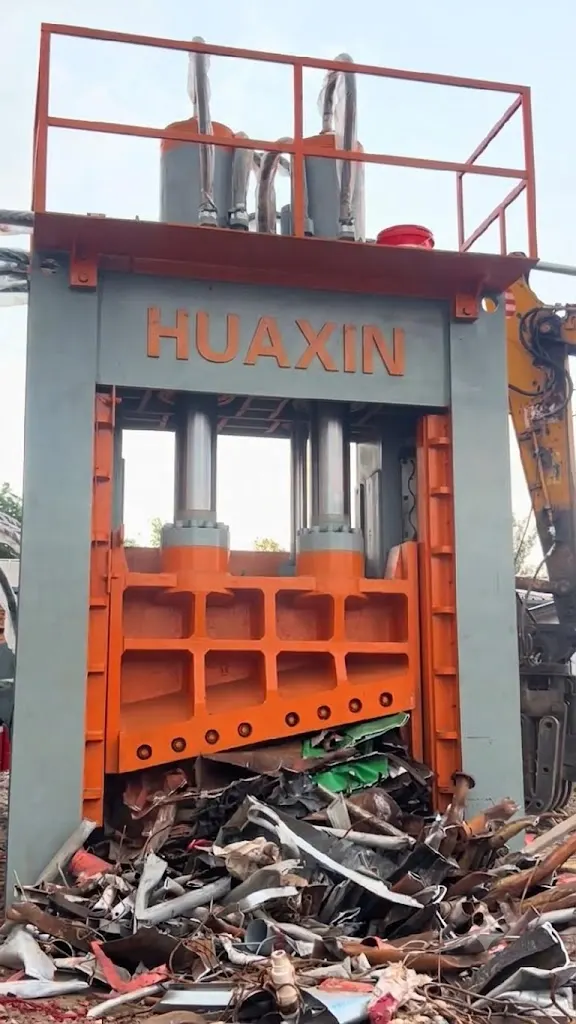
How a 400 ton gantry shear cuts I-beams and H-beams cleanly, what section depth means for force, and how to check the fit against your heaviest beam.
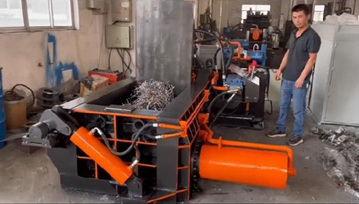
Front-out discharge changes where a baler can sit. See how the Y81Q-135 fits tight urban sites, in-plant baling and compact yards where side clearance is limited.
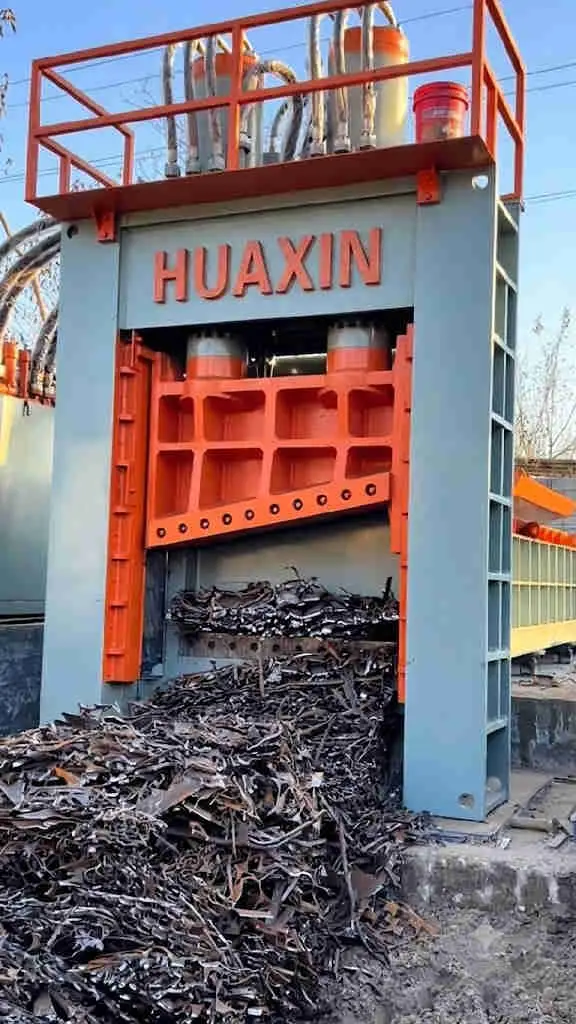
Rail length and discharge are the hidden half of cutting rail. How to size the blade and box against rail length, and plan the discharge for heavy cut sections.
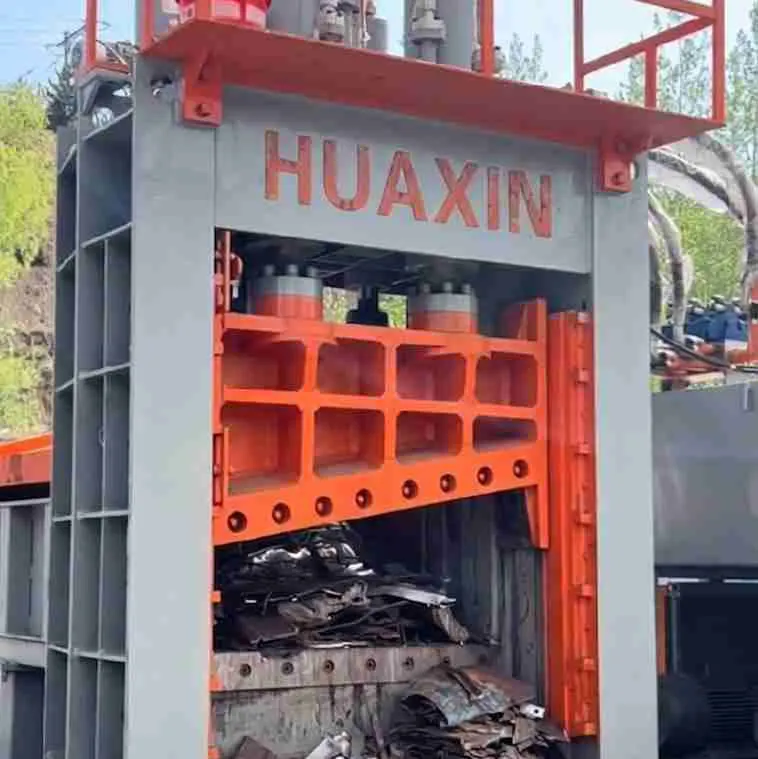
How a 200 ton gantry shear handles rebar and light section, what the cycle rate means for bundled bar, and where the practical limits sit.
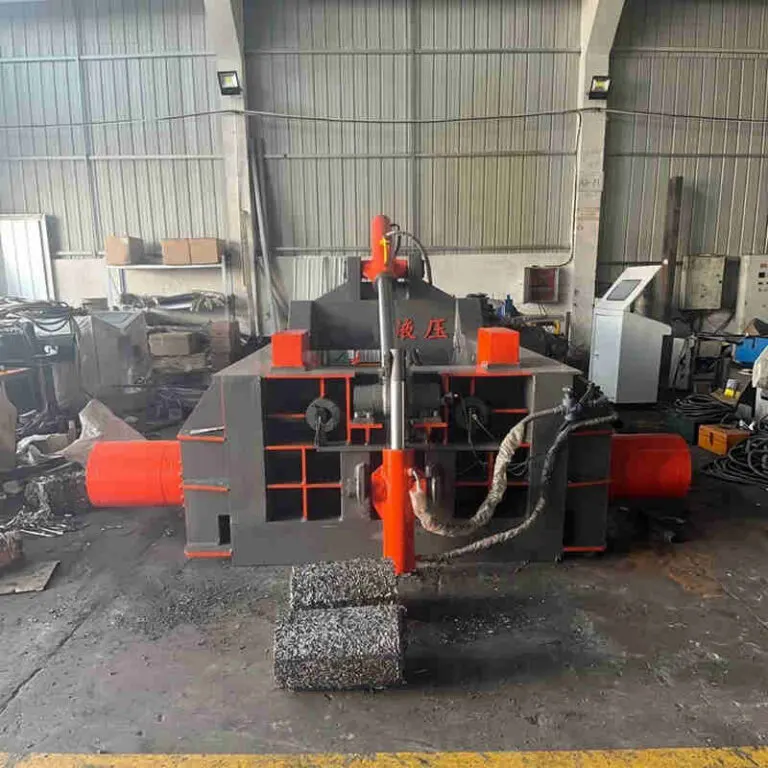
The Y81Q-200 horizontal side-press baler makes dense cylindrical bales from aluminum, copper and UBC cans. Here is who it suits, how it works and what to check before ordering.
What sizing a scrap metal shear for 100 tons per day involves, which class covers it, and why the loading and discharge plan matters more at this volume.
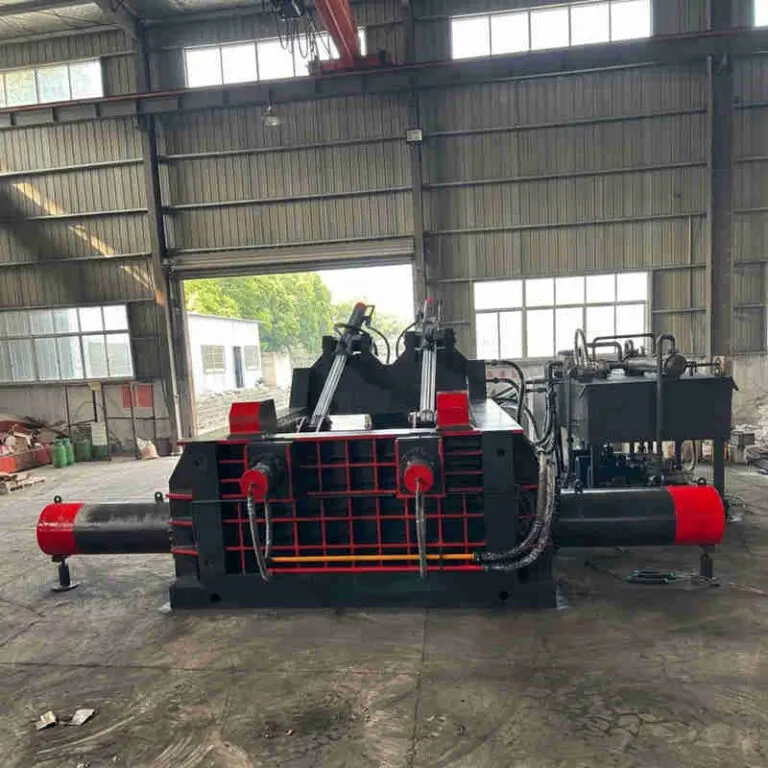
Choosing between the 315 ton, 400 ton and 500 ton heavy balers? Compare chambers, bale sizes, motors and duty ratings, and learn how to tell which tier your plant needs.
Bundled rebar changes the cutting problem on a gantry shear. How to read the bundle mix, and when it points at the class above the entry machine.
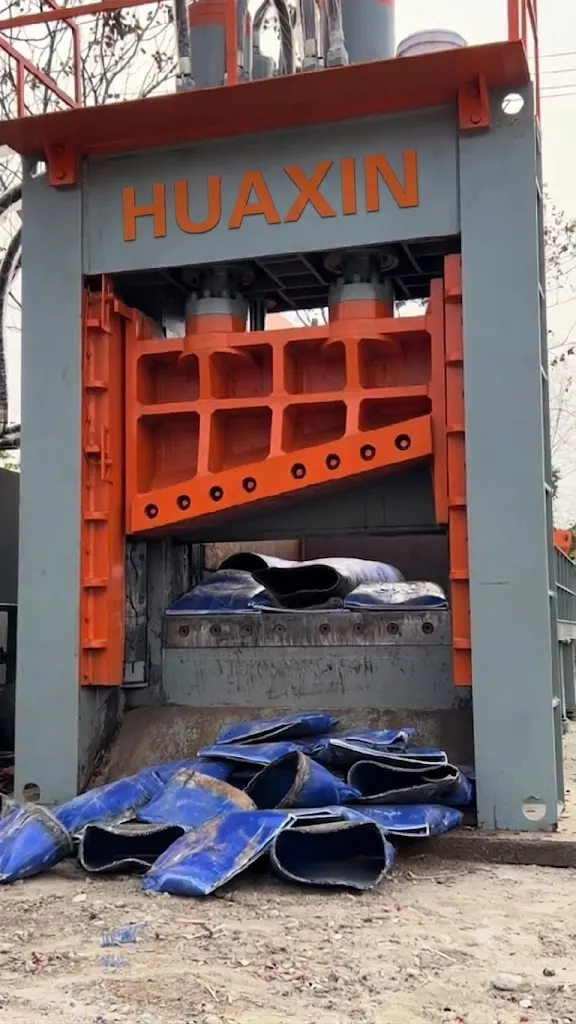
Car bodies on a gantry shear: what a 315 ton machine does to flattened shells, why whole frames need a shredder first, and how to size the auto line honestly.
Cutting non-ferrous aluminum and copper on a gantry shear: what changes in the blade, the feed and the value recovery compared to ferrous.