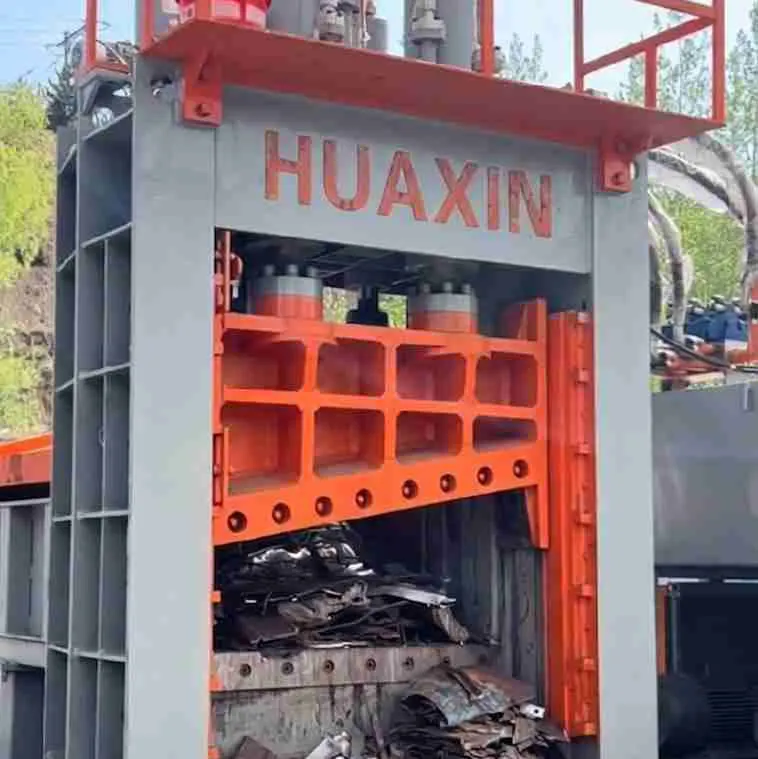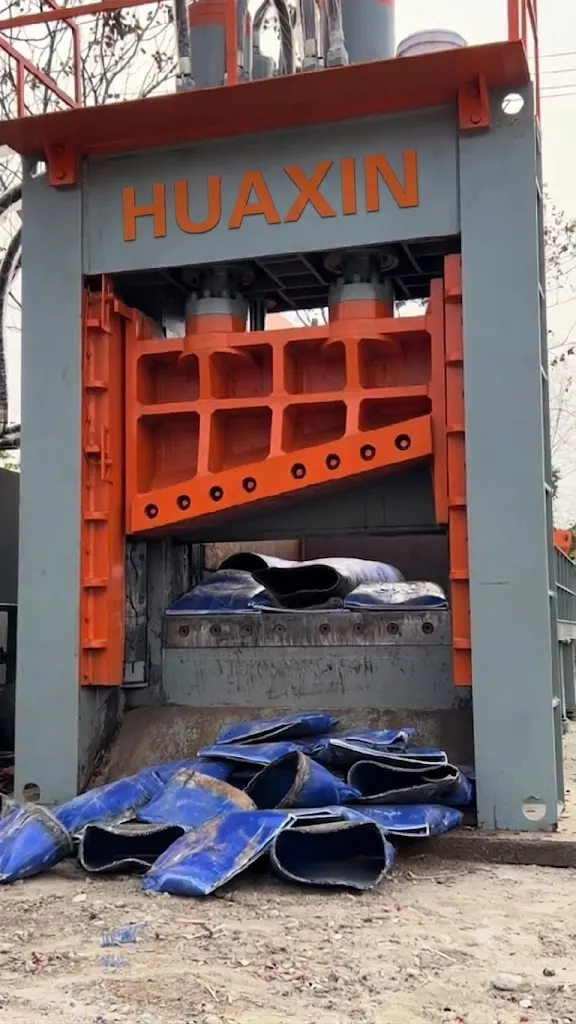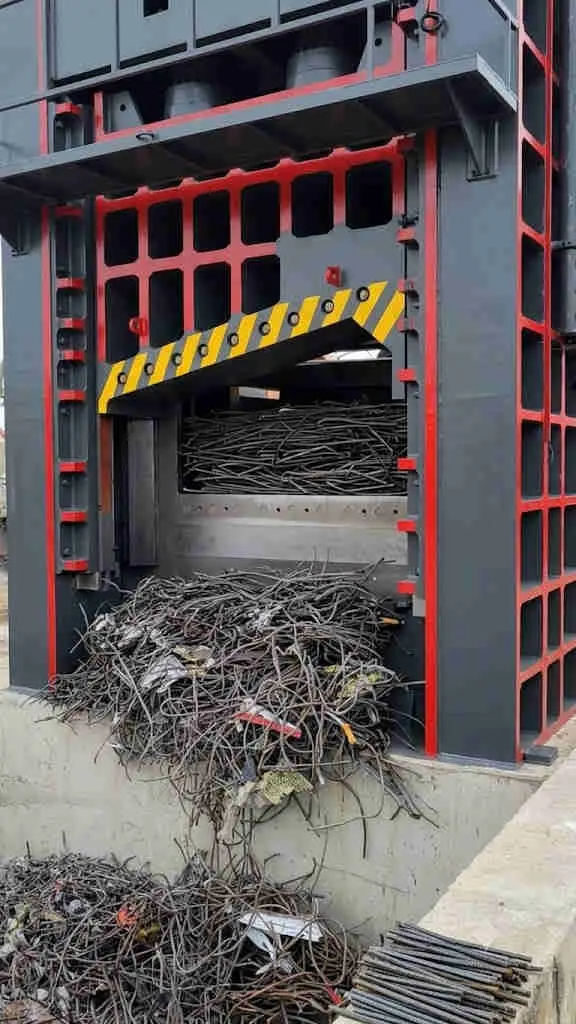
Force is the easy part of cutting rail; the 630 Ton Scrap Metal Shear Machine (Q91-630) has it covered. What trips up rail buyers is geometry and flow: rail arrives in lengths the box cannot admit, and leaves as heavy sections the discharge was never sized for. This article covers the two hidden halves. Across real-world industrial scrap metal shear installations, experience with our 630 Ton Scrap Metal Shear (Q91-630) confirms that proper material prep and hydraulic maintenance drive long-term profitability.
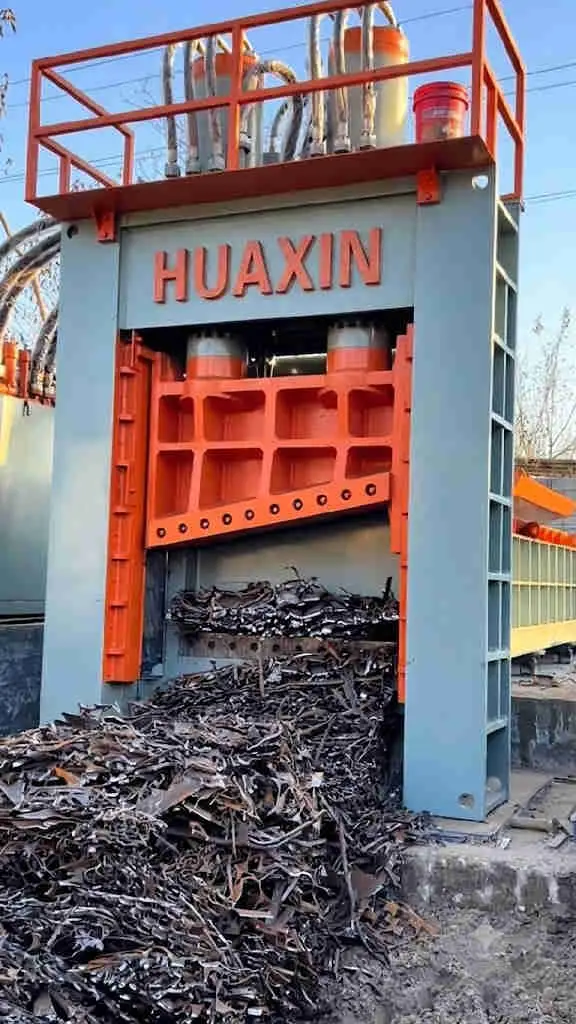
Rail length is the geometry problem
Rail arrives in long, rigid lengths, and the length is the first thing to check against the machine. A rail longer than the blade span cuts in two passes, and every second pass is pure loss. A rail longer than the box cannot enter cleanly at all, and the operator repositions or pre-cuts it with a torch, which is the work the shear was bought to avoid.
The check is the same arithmetic as structural feed: count the long rails in a normal week, multiply by the minutes each reposition or torch-cut takes, and the annual figure is the cost of a too-short configuration. The blade length guide covers the calculation, and on rail it usually settles the blade option by itself.
Pre-cutting with a torch: the cost counted
When the rail is too long for the machine, the fallback is a torch, and the torch has a real cost. It is slower than a shear cycle by a wide margin, it consumes gas and labour, and it leaves a rough end that the downstream buyer may reject. The torch is not free and it is not clean; it is the cost of a geometry decision made wrong.
Count the torch-cuts in a normal week and price the gas and the hour. The figure is the honest argument for a longer blade or a larger box, and it usually beats the price difference between configuration options on the first calculation. The box guide covers the opening side of the same decision.
Discharge: heavy sections need a plan
Cut rail is heavy for its size, and it lands hard. A discharge sized for a stream of light scrap banks up under the weight of rail sections, and the machine waits with a full box while the handling catches up. The discharge arrangement for rail follows the heaviest routine section, not the average piece, and the destination is sized against the box’s delivery rate.
Three arrangements work, and the choice follows what happens to the rail next. Direct to truck where collection is frequent, a buffer floor where the rhythm varies, or a conveyor where a second stage waits. The discharge planning guide covers the flow arithmetic, and the feed shape guide covers how rail’s shape changes the arrangement.
Reading the buyer’s length spec for rail
Rail buyers are specific about length, more than most scrap buyers, because the cut rail feeds a specific downstream process. The charge length the buyer accepts sets the cut length preset, and the preset sets how the machine cycles. A buyer with a tight length window turns every cut into a check, and the geometry that holds that window is a configuration plus a crew habit.
The consistency guide covers what downstream buyers pay for, and the band guide covers the assumptions behind the throughput the arrangement has to clear.
What the torch actually costs, line by line
When the rail is too long for the machine, the fallback is a torch, and the torch has a real, countable cost. Gas and oxygen per cut. The operator’s hour, because a torch cut is far slower than a shear cycle. And the rough end the torch leaves, which the downstream buyer may reject or discount. The torch is not free and it is not clean; it is the cost of a geometry decision made wrong.
Count the torch-cuts in a normal week and price all three lines. The figure is the honest argument for a longer blade or a larger box, and it usually beats the price difference between configuration options on the first calculation. The box guide covers the opening side, and the blade guide covers the length side of the same decision.
Buffering the heavy sections
Cut rail is heavy, and the buffer between the box and the truck has to absorb that weight. A buffer sized for light scrap overflows under rail sections, and the machine waits with a full box while the handling catches up. The buffer volume follows the heaviest routine section, multiplied by the minutes the truck takes to return, and the late-truck week is the test that decides whether it was sized right.
Two provisions cover the late-truck week without overbuilding. A secondary destination for the overflow, even a floor pile that clears by Friday, keeps the machine running when the primary route blocks. And a haulage schedule with a stated fallback turns the late truck from a stop into a reroute. The discharge planning guide covers both, and rail is where they pay for themselves.
Why the buyer’s spec drives the preset
The length the buyer accepts is the number the whole setup is built around, and it changes the machine’s rhythm. A wide length window lets the operator optimise for throughput, cutting each rail to the longest acceptable piece. A tight window turns every cut into a check, and the geometry that holds it is a configuration plus a crew habit. The preset, the blade length and the feed discipline all trace back to that one spec.
Write the buyer’s spec down before the machine is quoted, and the configuration gets built against it rather than against a guess. The consistency guide covers what downstream buyers actually pay for, and the sheet reading guide covers how the spec flows into the configuration rows.
What the set-aside pile says about rail geometry
Rail yards keep a pile of pieces that would not feed: rails too long for the blade, too heavy for the box, or too awkward to place. The pile is a measurement, and its growth rate answers the geometry question better than any brochure does. Monthly set-asides are a configuration note; weekly set-asides are a geometry miss, and the blade or box was sized for a rail you do not actually receive.
Photograph the pile at the start of a month and at the end. Two photographs are the specification conversation, and they are the one document in the yard that cannot argue back. If the pile grows from weekly to daily, the geometry is wrong regardless of what the force rating says, and the fix is a configuration change rather than a class change. The locating guide covers the set-aside count as a sizing signal.
Engineering & Field FAQ: Rail Feed: Length and Discharge Are the Hidden Half
What is the most common rail-sizing mistake?
Checking the force and skipping the length. A machine with enough force for the rail but a blade too short for the length cuts every piece twice, and the second pass is pure loss. The longest routine rail settles the blade and box options.
Is a torch cheaper than a longer blade?
Almost never, once you count it. The torch is slower, consumes gas and labour, and leaves a rough end. The annual cost of weekly torch-cuts usually beats the price difference between blade options on the first calculation.
How do I size the discharge for rail?
Against the heaviest routine section, not the average piece. Watch the discharge at the busiest hour and count the minutes the sections bank before they leave, then size the buffer and the destination against that number.
What do you need to check my rail setup?
The rail weight and section, the longest routine length, how the cut rail leaves the yard, and your buyer’s length spec. The written recommendation comes back within two business days with the configuration and the flow notes.
Need help sizing cutting force, blade length, and hydraulic power for your throughput? Compare full machine parameters on our 630 Ton Scrap Metal Shear (Q91-630) page, review our Q91 & NS scrap shear hub engineering hub, or contact HUAXIN’s Tangshan engineering team with your feedstock photos and target daily tonnage.