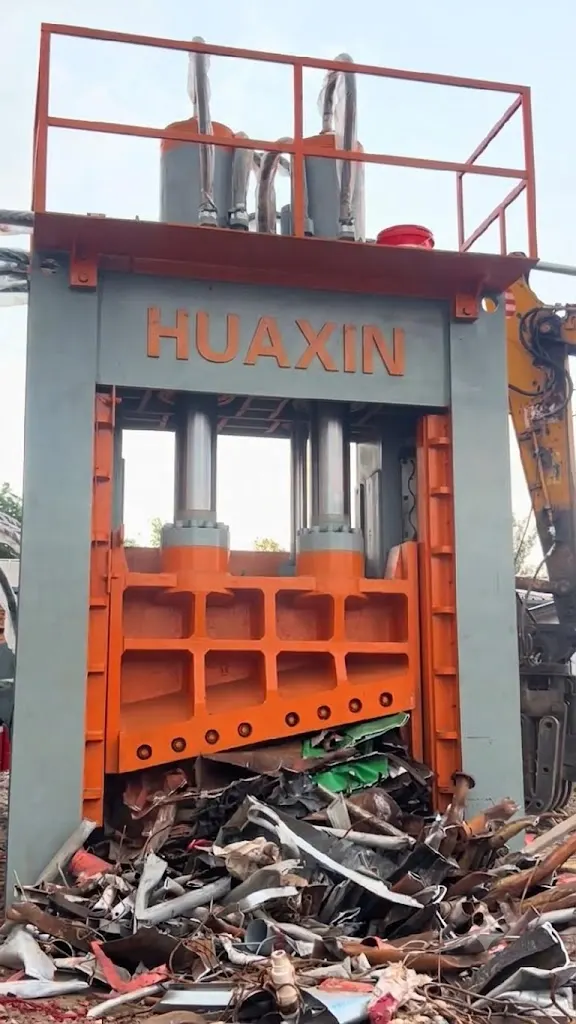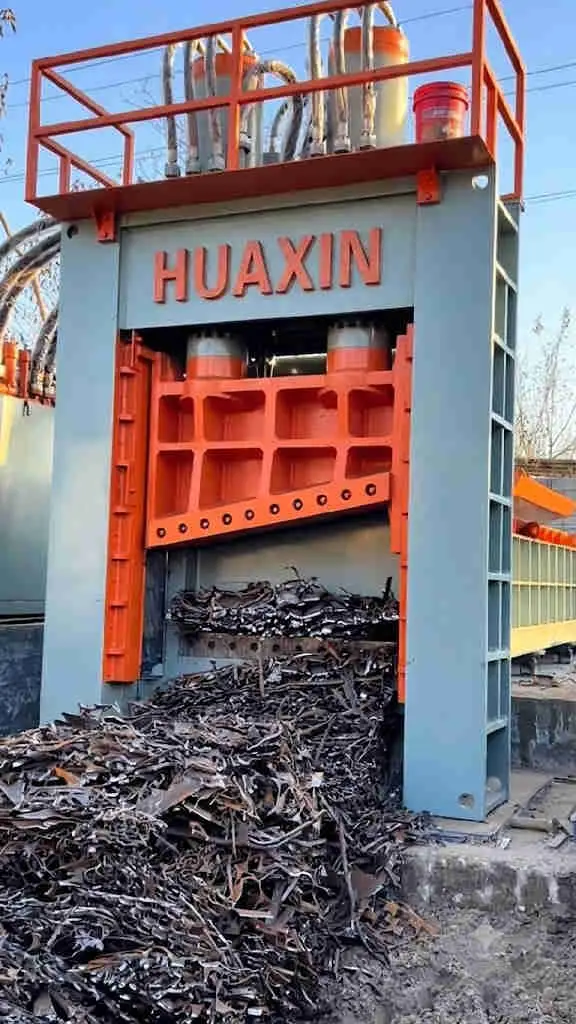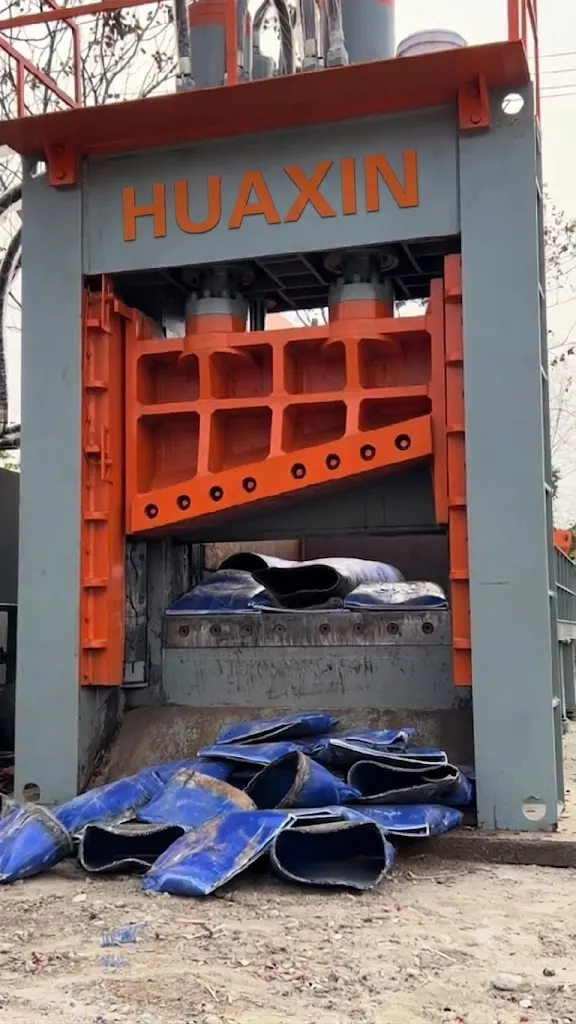
Most small yards do not think in force classes. They think in days: how much scrap moves between Monday morning and Friday night. The 20 to 40 tons per day band is where a large share of first-time gantry buyers actually live, and the 200 Ton Scrap Metal Shear Machine (Q91-200) is rated for exactly that range. When sizing hydraulic scrap shear equipment for continuous duty, field data on the 200 Ton Scrap Metal Shear (Q91-200) highlights the link between frame rigidity, cycle speed, and operating cost.
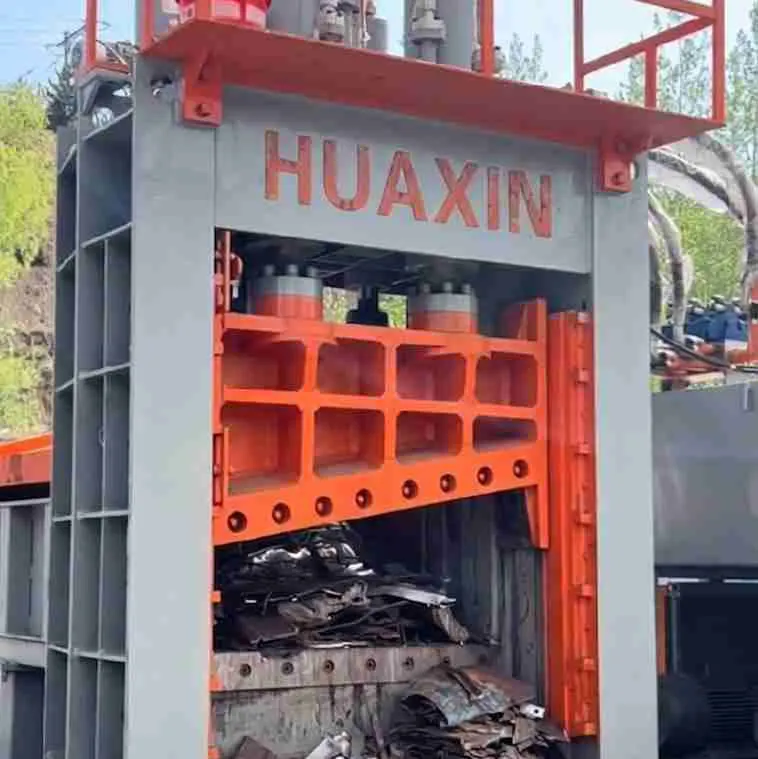
This article explains what the band assumes, where a yard lands inside it, and what the position in the band means for the next purchase. The figures come from published specifications; the operational parts are field experience.
What the band assumes
A published band is not a promise about your yard. It is a statement about the machine under stated conditions, and the conditions matter. The Q91-200’s 20 to 40 tons per day assumes material inside its published boundaries: plate under 30 mm, light sections, and HMS 1&2 only in small quantities as an occasional rating. It assumes a loading arrangement that keeps the tank charged, and a discharge that clears at the box’s rate.
Change any of those and the band moves. A shared excavator drops you toward the bottom. Unsorted feed with frequent repositioning does the same. A dedicated grapple and sorted material push toward the top. The machine is identical in all three cases, which is why the band is an operational figure rather than a machine property.
Where you land, and why it matters
Position inside the band is worth knowing before the second purchase, because it predicts which class comes next. A yard consistently at the top of the band with sorted feed is a 315 Ton Scrap Metal Shear Machine (Q91-315) candidate: 25 to 45 tons per day with 30 mm continuous plate. A yard at the bottom with heavy weeks that strain the boundary is the same conversation from the other direction, and the material log is what tells the two apart.
Three counts locate you honestly: tons per shift from a normal week, empty-tank minutes per shift, and tons since the last blade rotation. The computation guide covers the arithmetic, and the band guide covers the assumptions behind any published figure.
What moves you up the range
Two things move a yard up a class, and only one of them is tonnage. The first is genuine volume: the day consistently sits above 40 and the feed arrangement is already disciplined. The second is material: the heavy tail of a normal week starts including plate past 30 mm, or HMS stops being occasional. The second reason moves more yards than the first, and it is the one buyers miss because the tonnage still fits.
The force and material rule covers the headroom check, and the comparison guide walks the ladder above this band. What moves a yard down is rarer but real: a machine bought for a projected volume that never arrived, running below its band every shift and costing power for tonnage it cannot feed.
Running at the bottom of the band
A yard at 20 tons a day with light feed is inside the Q91-200’s specification, and that is the honest answer to the sizing question. What such a yard should watch is the opposite drift: the day creeping toward 40 as contracts arrive, at which point the machine is still correct but the configuration questions change. The tank length and blade length that suited 20 tons may not suit 40, and both are quotation-time decisions rather than field adjustments.
The tank sizing guide covers the loading arithmetic, and the box guide covers the material side.
A note on buying below the band
Some buyers look at the 20 to 40 band and shop the class below, reasoning that a smaller machine costs less. Sometimes that is right: if your honest day sits under 20 and the material is light, a smaller machine plus different equipment for the heavy fraction beats one machine sized for a wish list. But if your material includes weekly plate past 30 mm, the class below lives at its boundary every shift, and the blade bills arrive monthly rather than seasonally.
The step-up guide covers where the alligator classes end and the gantry range begins, and the material boundaries article covers what the entry class takes and what it does not.
How the band interacts with your buyer’s specification
The daily band and the charge length your buyer accepts are linked, and buyers rarely notice until a load gets rejected. A yard running at the top of the band on long cut lengths produces a different charge than the same yard running short, and mills verify what arrives. The cut length preset is where the two meet: set it from the buyer’s specification, verify it against the material, and re-check it when the mix changes seasonally.
The interaction runs both ways. A buyer who accepts a charge-length range lets you optimise for throughput; a buyer with a single figure turns every cut into a specification check, and the feeding discipline that holds that figure is a crew habit rather than a machine property. The plate and section guide covers the cadence, and the consistency guide covers what downstream buyers actually pay for.
Reading the band against your own numbers
The published band is a reference, not a target. What your yard produces is cycle rate multiplied by tons per bite, adjusted for the time the machine spends waiting, and every one of those factors is measurable in an afternoon. Weigh a week’s output if you can, estimate from the mix if you cannot, and watch the tank for one shift. The number that comes out is yours, and it is the figure the class decision should be made against rather than the brochure’s.
The computation guide walks the five steps with your figures in them, and the band guide covers the four assumptions behind any published figure. Both exist because the number on an inquiry form is the least reliable number in the purchase.
Why the band is a range and not a number
A factory could quote a single figure and make the brochure simpler. We publish a range because the honest answer is a range: the same machine turns out different tonnages on different material, under different loading arrangements, on different shift patterns. The bottom of the band assumes the worst version of every factor and the top assumes the best, and a real yard lands where its operation lands.
That is why the range is more useful than a single number would be. It tells you the machine is correctly sized when your computed figure lands inside it, and it tells you the machine is stretched when your figure sits above the top. A single figure would tell you neither. The range table shows the bands side by side across the family, and the assumptions behind each one are stated in the band guide.
Buyer FAQ
Is 20 to 40 tons per day enough to justify a gantry shear?
For the right material, yes. The Q91-200 is specified for that band, and one-person operation against a hand-fed setup saves one to two wages every month. The case is strongest where the material fits the boundaries and the yard has the loading equipment; it is weakest where the heavy tail regularly exceeds 30 mm plate.
What if my tonnage grows past 40 a day?
The Q91-200 still runs, but the configuration questions change and the 315 class enters the conversation. The material log tells you when: weekly plate past 30 mm, or a day that consistently clears 40 with the feed already disciplined.
Why is my actual output below the band?
Three usual causes: a shared loader that cannot keep the tank charged, a discharge zone that fills faster than it clears, and blade rotation slipping past its interval. All three are operational, and the week of counts settles which one you have. A fourth possibility is the material itself: if the feed is lighter than the band assumes, the tons per bite drop and the tonnage follows, which is a specification question rather than a fault.
What do you need to recommend a class for my yard?
Your material list, the three heaviest pieces from a normal month, the honest daily tonnage and the shift pattern. The written recommendation comes back within two business days, including when the answer is the class below the one you asked about. The heaviest piece matters more than the tonnage, because the class has to cover the heavy tail of a normal week rather than the average day. And check the band against your buyer’s charge specification at the same time, because a band that produces charge lengths your buyer rejects is a band you cannot sell into, whatever the tonnage says. Bring the computed figure rather than the brochure figure, and the comparison between two quotations becomes a comparison between two specifications rather than two prices. A band read against your own computed figure is a specification; a band read against the brochure is a hope.
Want cycle-time calculations or container loading details for your scrap mix? Compare full machine parameters on our 200 Ton Scrap Metal Shear (Q91-200) page, review our heavy-duty scrap metal shear series engineering hub, or contact HUAXIN’s Tangshan engineering team with your feedstock photos and target daily tonnage.