Flattened Shells vs Whole Frames: Two Feeds, Two Machines
Flattened shells cut cleanly on a gantry shear; whole frames need a shredder first. How to tell the two feeds apart and size each stage.

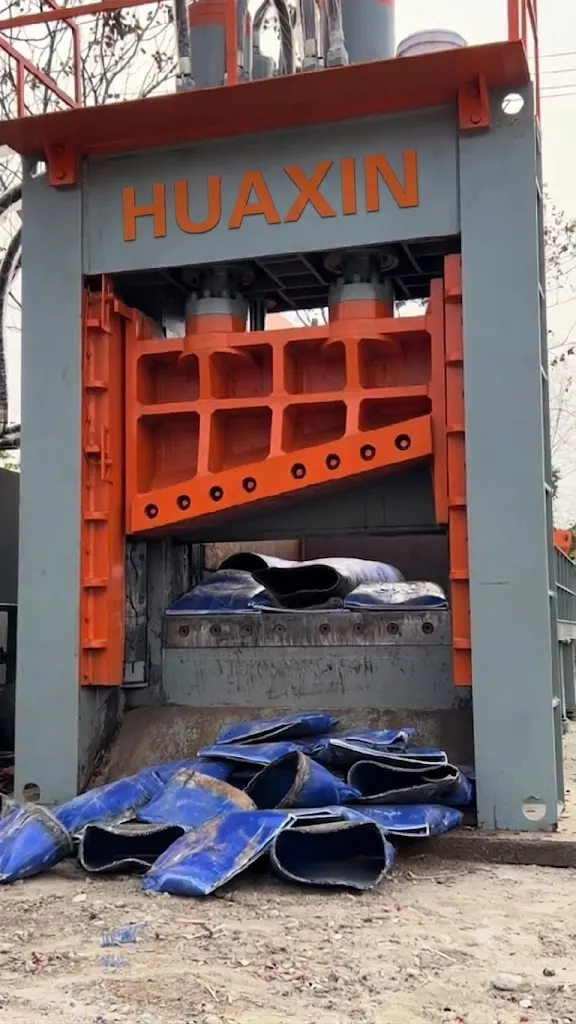
Flattened shells cut cleanly on a gantry shear; whole frames need a shredder first. How to tell the two feeds apart and size each stage.
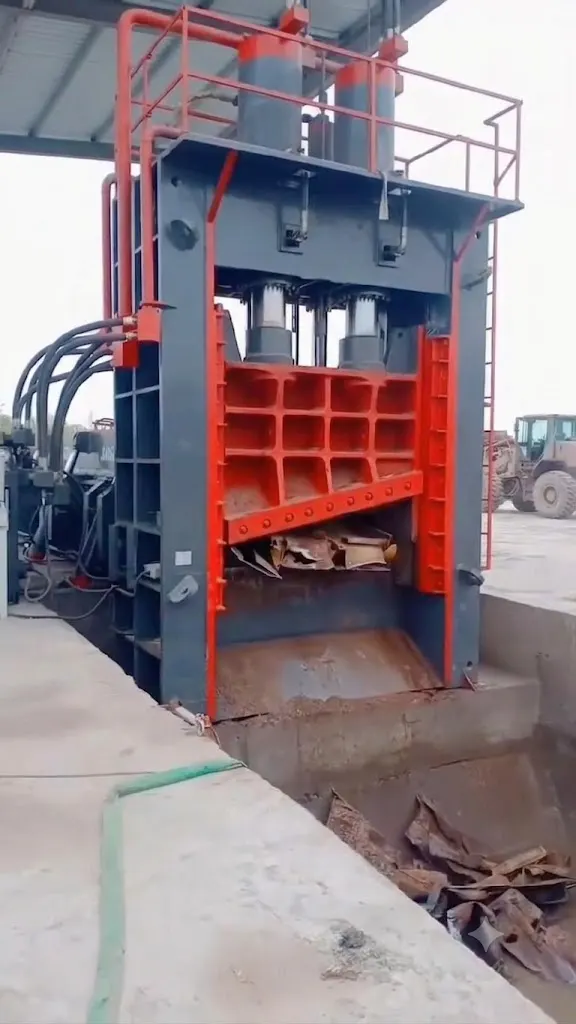
Shipbreaking hull plate and structure on a 1000 ton gantry shear: what the material demands, how duty and spares change at ship scale, and how to size for it.
Ship recycling yards run a seasonal, continuous-duty operation. How duty, spares depth and maintenance windows change at shipbreaking scale.
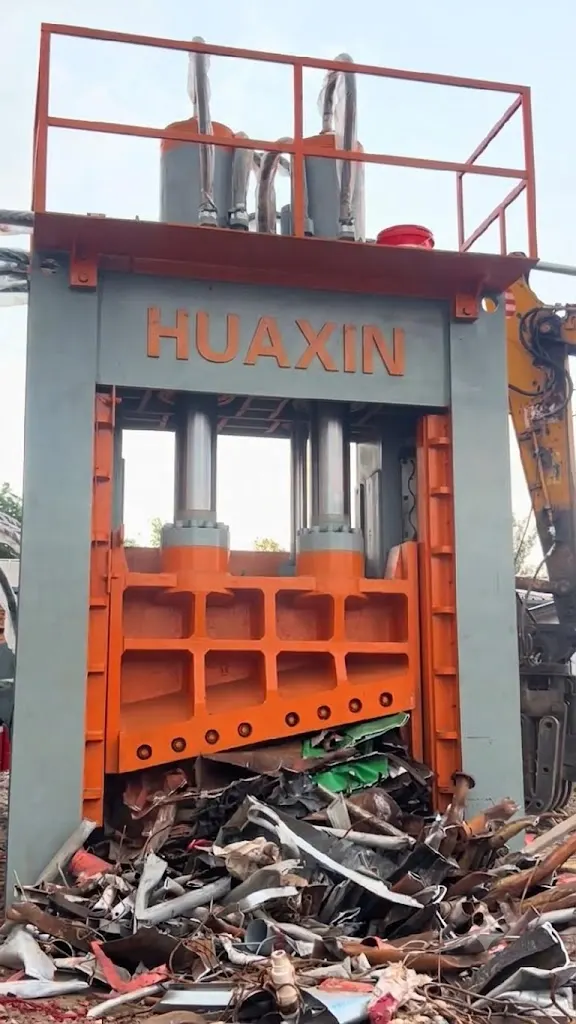
The blade choice for aluminum and copper differs from the ferrous spec. What soft non-ferrous does to the edge and how to spec and rotate the blade.
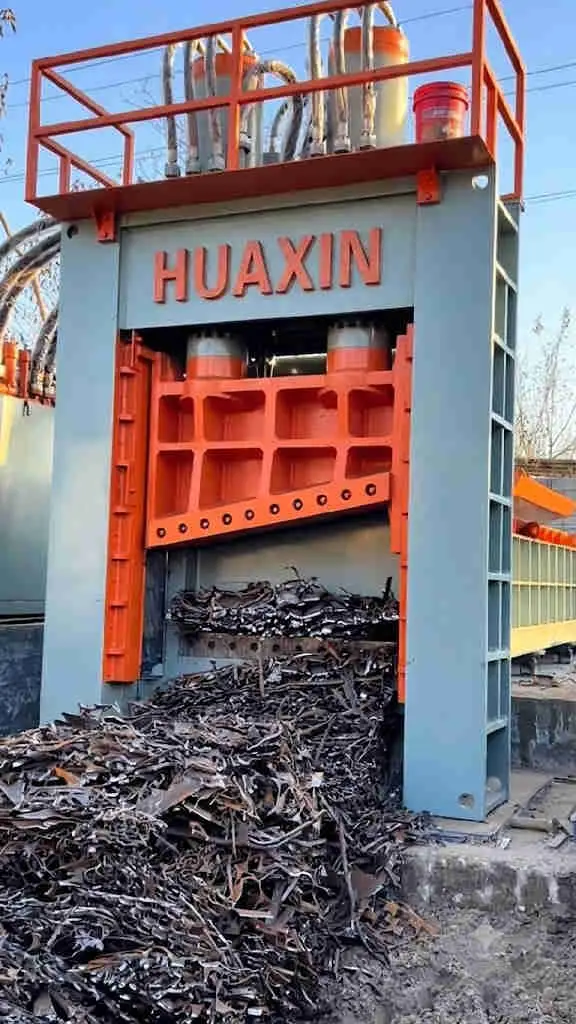
What sizing a scrap metal shear for 10 tons per hour really depends on, why the feeding method becomes the constraint, and which class covers the rate.
How box geometry and blade length decide whether section steel cuts in one pass, and how to size them against the beams you actually receive.
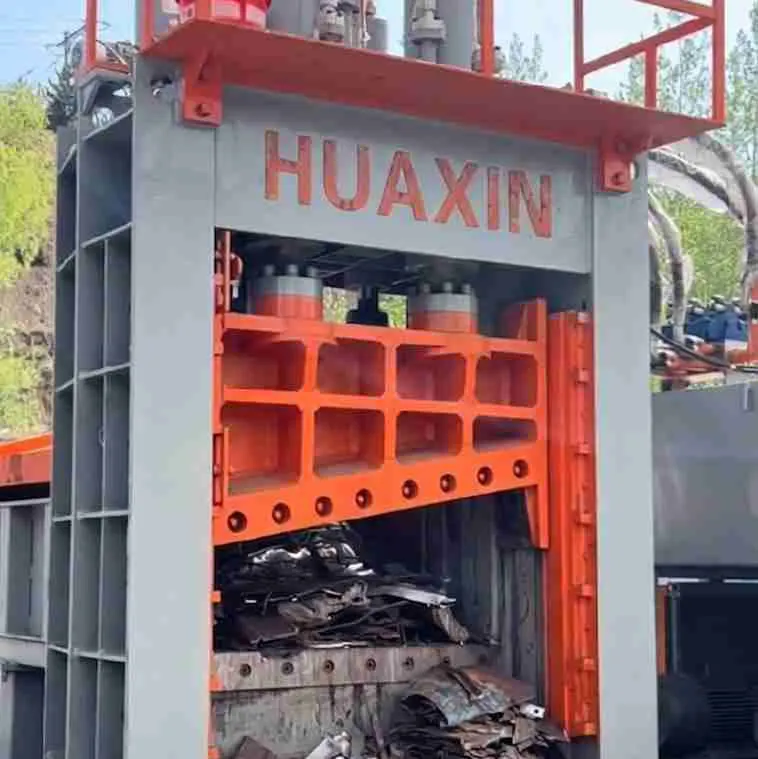
The 20 to 40 tons per day band is where most small yards actually live. What the band assumes, where you land in it, and what moves you up or down a class.
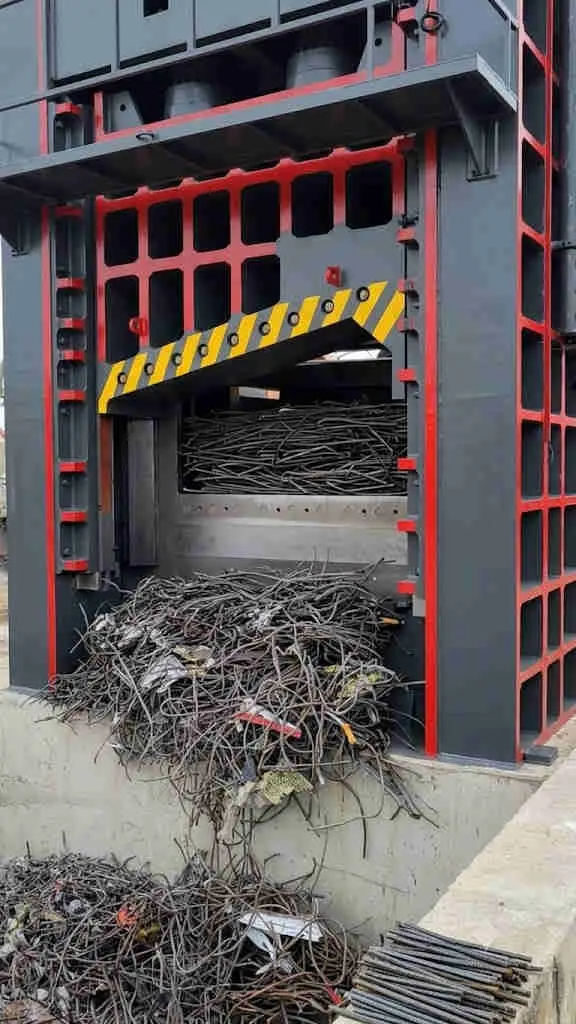
Sizing a scrap metal shear for 20 tons per hour means the discharge and handling plan matters as much as the force class. What the rate demands and which class covers it.
Cutting 100 mm plate means the force class decides the purchase. What thick plate demands from force, frame, hydraulics and blade, and how to check the fit.