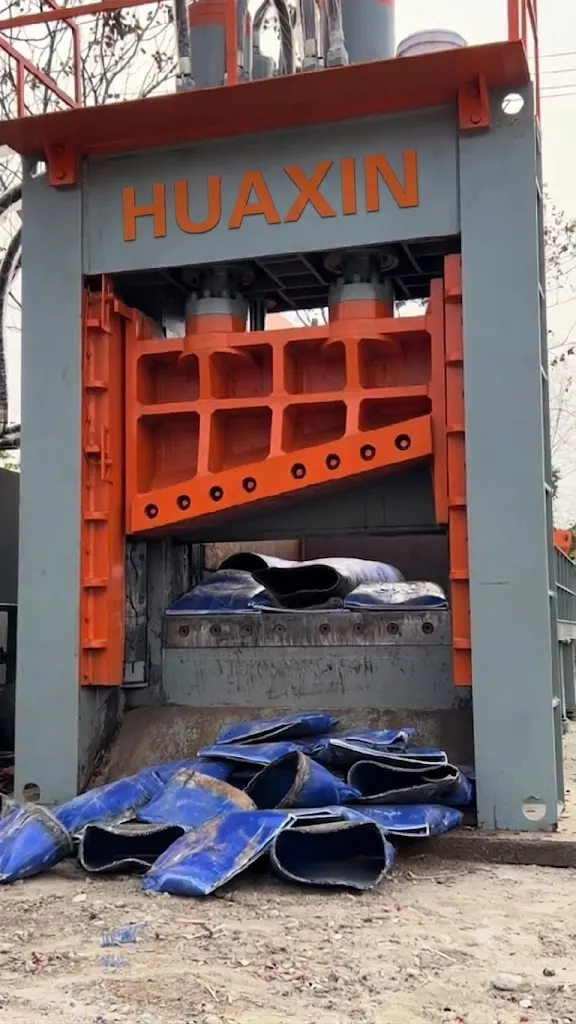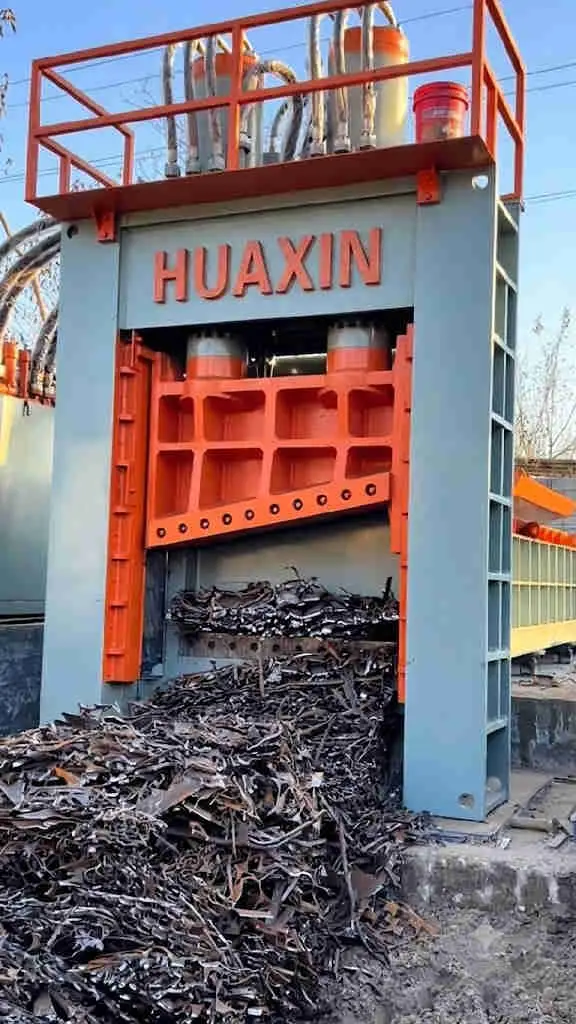
Ship recycling is not a yard operation that happens to cut heavy plate; it is a seasonal, continuous-duty production line where the cutting station is one stage in a much larger flow. The machine decision follows the season, the shift pattern and the spares depth, and this article covers how those three change at shipbreaking scale. If you are comparing gantry and alligator shear configurations, production runs on the 1000 Ton Scrap Metal Shear (Q91-1000) illustrate how cutting force and operator discipline impact hourly output.

The season sets the schedule
Ship recycling runs in seasons, and the season is the planning horizon. The yard buys, cuts and clears within a window, and the machine has to hold its rate through the whole window without a planned stop that the season cannot absorb. That is why the duty declaration is written against the season rather than against a generic shift pattern, and why the build follows the declaration.
A machine quoted for the season holds its published figures through it. A machine quoted for a lighter duty pattern runs the season at its edge, and the wear bill arrives before the season ends. The economics guide covers the arithmetic, and the import guide covers the schedule a season forces onto the purchase.
Duty is the purchase, not the price
At ship scale the force class is almost a formality; the Q91-1000 and the classes above are specified for the work. What decides the purchase is the duty the build is quoted against. Two shifts and three shifts are different machines, and the difference is structural: frame, cooling, hydraulics and wear specification all key off the declaration, and none of it is visible on a price sheet.
The declaration belongs in writing, restated in the quotation as the build’s basis. That restatement is the row your engineers check before the deposit, and it is the last cheap moment to change it. The specification guide covers how the duty rows appear in a quotation.
Spares depth follows the season
The shelf set at ship scale is sized to the season rather than to a standard kit, and the arithmetic is simple: one blade set, the seal kit and the filter stock, on the shelf before the season starts, so a rotation never waits on a shipment. The resupply channel covers the set you did not plan to need, with spare blades shipped within 48 hours, and the commissioning plan walks the crew through each replacement before the feed starts.
The accounting guide prices the hours the shelf set exists to prevent. At ship scale a lost shift is a lost fraction of a season that cannot be made up, and the shelf set is what buys that fraction back.
Maintenance windows inside the season
Seasonal operation concentrates the maintenance problem. The window between seasons is the natural time for the big work, and the daily checks have to carry the machine through the rest. Three habits make that work: the blade log with tonnage and material per rotation, hydraulic temperature checked at start-up and watched through the shift, and the discharge zone watched at the busiest hour.
None of the three needs an instrument, and all three are cheaper to catch at hour two than at hour six. The maintenance guide covers the mechanics, and the cycle guide covers what the machine reports on its own condition.
The flow around the cutting station
The shear is one station in a ship recycling line, and the stations around it decide whether the cutting rate is real. Material arrives from the ship as cut pieces, and the shear’s output leaves to the furnace or the export buyer. Between the two, the handling, the buffer and the haulage all have to clear at the box’s rate, and any one of them that falls behind stops the cutting station.
The line design guide covers how the stages get sized against each other, and the discharge guide covers the buffer arithmetic. On a ship recycling line the cutting station is the fastest stage, which means the flow around it is the constraint, not the machine.
What the season does to the purchase timeline
A seasonal operation buys against a date, not against a convenient schedule. The machine has to arrive, commission and break in before the season starts, and the lead time, the site work and the training all run backward from that date. The site track, the foundation, the power and the route in, usually sets the installation date more often than the factory does, which is why both schedules start at the order.
The import sequence guide walks the eleven steps and the two tracks, and the 2000-ton high-volume shear planning guide covers the commercial structure at this scale. A ship recycling yard that orders late buys a season of downtime, not a machine.
The crew that runs the season
A ship recycling machine runs on a crew that knows the season, and the training is part of the purchase. The operators need the rhythm: charge in cadence, orient for the cleanest cut, watch the discharge rather than only the box. The maintenance crew needs the procedures performed rather than demonstrated, because at this duty a procedure read about is a stop. And the shift supervisors need the log, because the handover between shifts is where the day’s knowledge survives.
The commissioning plan covers all three across the season’s shift teams, with our engineer on site or on the line for the first weeks. The flagship duty guide covers the training structure, and the visit checklist covers what to look at before the order.
What the off-season is for
The off-season is not idle time; it is when the machine gets its annual work and the plan for next season gets written. The big maintenance, the blade set replacement, the hydraulic service and the seal work all land in the window between seasons, when a stop costs nothing against the production schedule. And the wear log from the season just finished is the specification the next season’s spares order is built from.
The yards that use the off-season well start the next season with a machine that has been rebuilt against its own wear record. The yards that treat the off-season as downtime start the next season with a machine that carries last season’s wear into it, and the blade bill arrives early. The maintenance guide covers what the off-season work should include.
Engineering & Field FAQ: Ship Recycling Yards: Duty and Spares at Scale
Is a ship recycling shear different from a yard shear?
The force class may be the same, but the duty declaration is different. A ship recycling machine is quoted for the season and the shift pattern the yard actually runs, and the build follows that declaration rather than a lighter one.
What spares should a ship recycling yard keep?
One blade set, the seal kit and the filter stock, on the shelf before the season starts. The shelf set buys the shift the season cannot absorb, and the resupply channel covers the set you did not plan to need.
How do I plan maintenance around the season?
Big work goes in the window between seasons; daily checks carry the machine through the rest. The blade log, the temperature check and the discharge watch are the three habits that keep the machine running inside the season.
What do you need to quote a ship recycling machine?
The plate range, the season length, the shift pattern and the handling plan. The written quotation comes back within two business days, restated against the duty declaration you gave us.
Evaluating equipment specifications or FOB/CIF delivery schedules for your plant? Compare full machine parameters on our 1000 Ton Scrap Metal Shear (Q91-1000) page, review our scrap metal shear engineering hub engineering hub, or contact HUAXIN’s Tangshan engineering team with your feedstock photos and target daily tonnage.