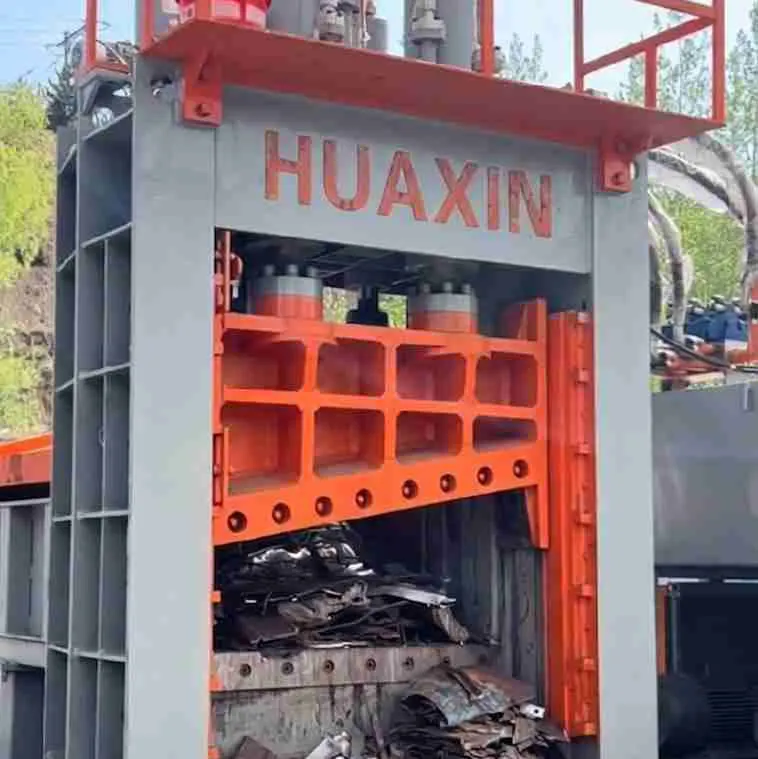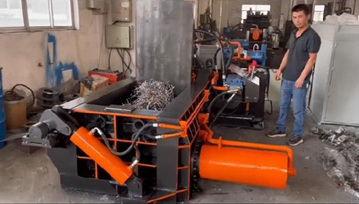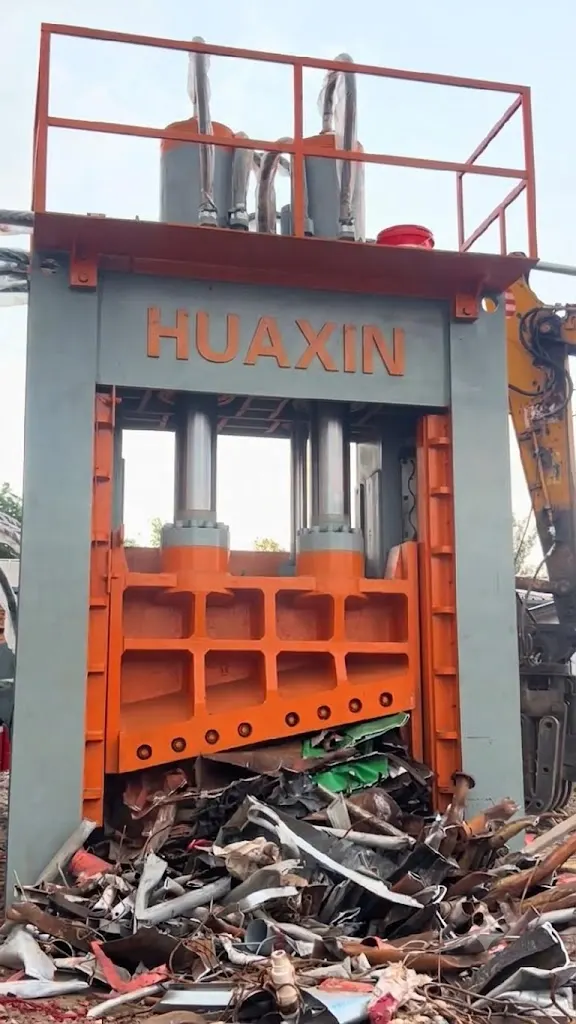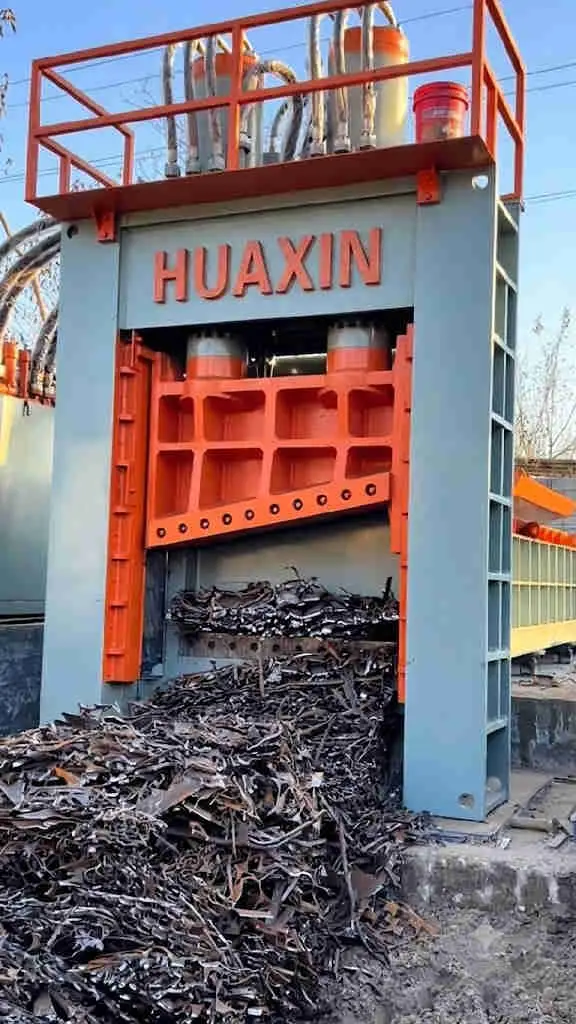
The brochure says what a machine can cut; the build is what lets it keep cutting that material shift after shift. At 100mm the difference between the two is the purchase, because thick plate duty stresses the frame, the hydraulics and the blade in ways a lighter spec never tests. This article covers what the build has to carry at thick plate duty. If you are comparing gantry and alligator shear configurations, production runs on the 1250 Ton Scrap Metal Shear (Q91-1250) illustrate how cutting force and operator discipline impact hourly output.
What the frame has to carry
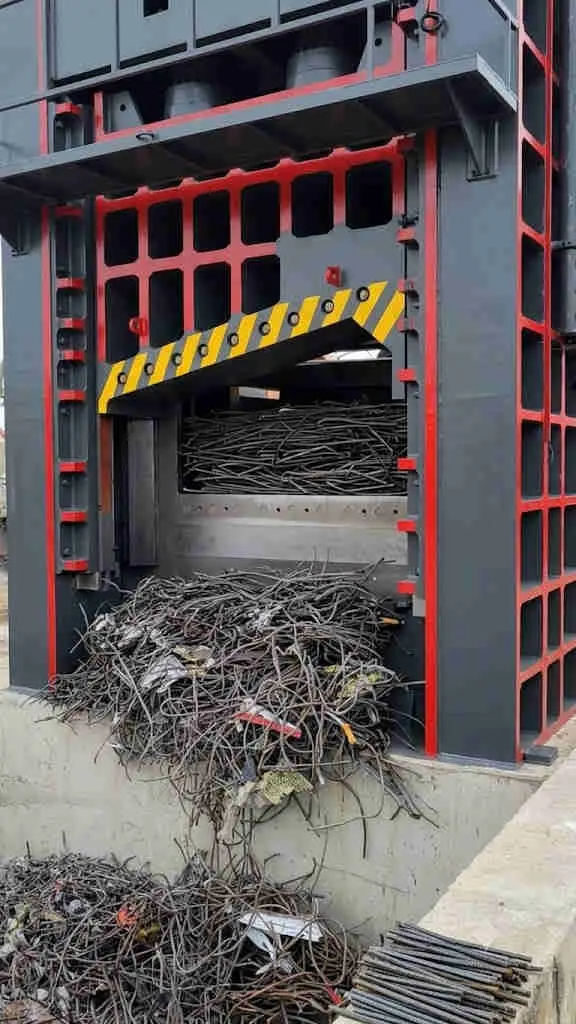
Thick plate puts the highest loads of any feed through the frame, and the frame is the first thing the build is quoted against. The cutting force at 100mm has to be absorbed without flexing, because flex is what strays the cut and wears the blade unevenly. A frame specified for lighter duty will cut thick plate, but it will flex, and the flex shows up as a wandering cut and a shortened blade interval.
The Q91-1250 is built for this duty, and the frame specification is part of what the class buys. The force rule covers the headroom check, and on thick plate the frame is where the headroom lives.
What the hydraulics have to carry
Thick plate runs the hydraulics at sustained high pressure, and the system has to hold that pressure through a full shift without overheating. The cooling package, the pump sizing and the oil specification all get quoted against the thick plate duty, because a system that handles light feed for a shift will run hot on 100mm plate and the heat shortens every component’s life.
The signature is the oil temperature. A machine that climbs in temperature on routine thick plate is working at the edge of its hydraulic spec, and the cycle guide covers what the temperature is telling you. The cooling package is one of the rows worth checking in the quotation.
What the blade has to carry
Thick plate needs a tough blade more than a hard one. A hard edge chips on thick plate under the shock of the cut, and a chip takes the whole set out of service. A tough edge dulls gradually and rotates on schedule, which is the behaviour a thick plate operation can plan around. The grade, the hardness and the edge geometry all follow the plate you cut.
The blade steel guide covers the specification, and the maintenance guide covers the rotation discipline. On thick plate the blade is the consumable that decides the season’s cost, and the spec is worth getting right at quotation.
Why the duty declaration is the build
The duty declaration is not a form; it is the specification the whole build keys off. A machine quoted for two shifts of thick plate is a different frame, a different cooling package and a different blade spec than a machine quoted for light structural work, and none of the differences are visible on a price sheet. The declaration is written into the quotation as the build’s basis, and it is the row your engineers check before the deposit.
The line-by-line guide covers what the rows should say, and the red-flag guide lists what their absence looks like. On thick plate duty the declaration is the difference between a machine that holds its rate and one that fights it in year two.
What the first heavy month tells you
The first month on thick plate duty is a verification exercise, and the log is what proves the build. Three things should hold by week four: the cycle time stays inside the published figure on routine plate, the oil temperature stays in range through the shift, and the blade interval holds against the tonnage. If all three hold, the build was specified right and the declaration was honest.
If the cycle stretches while the temperature climbs, the hydraulics are at the edge of their spec. If the blade interval collapses without a material change, the plate is harder than the specification assumed. If all three are healthy but the tonnage misses, the feed is the question rather than the machine. The cycle guide covers the signatures, and none of the readings needs an instrument.
Engineering & Field FAQ: Thick Plate Duty: Build, Not Brochure
Is thick plate duty a different machine than structural duty?
Same force class, different build. The frame, cooling and blade spec all follow the declared duty, and a machine quoted for structural work will cut thick plate but flex, run hot and chip blades.
What should I check in the quotation for thick plate?
The frame specification, the cooling package, and the blade grade, all quoted against your declared plate thickness and shift pattern. If any of the three is missing, the build has not been specified for the duty.
Why does the oil temperature matter?
Because a hot hydraulic system shortens every component’s life and signals the machine is working at the edge of its spec. A climbing temperature on routine thick plate is the earliest signature of an undersized hydraulic package.
What do you need to quote thick plate duty?
The plate thickness, the shift pattern, and the daily tonnage. The written quotation comes back within two business days, restated against the duty declaration you gave us. Ask for the frame, cooling and blade rows in the same exchange, because on thick plate those three rows are the build, and a quotation without them is a brochure with a price.
Evaluating equipment specifications or FOB/CIF delivery schedules for your plant? Compare full machine parameters on our 1250 Ton Scrap Metal Shear (Q91-1250) page, review our scrap metal shear engineering hub engineering hub, or contact HUAXIN’s Tangshan engineering team with your feedstock photos and target daily tonnage.