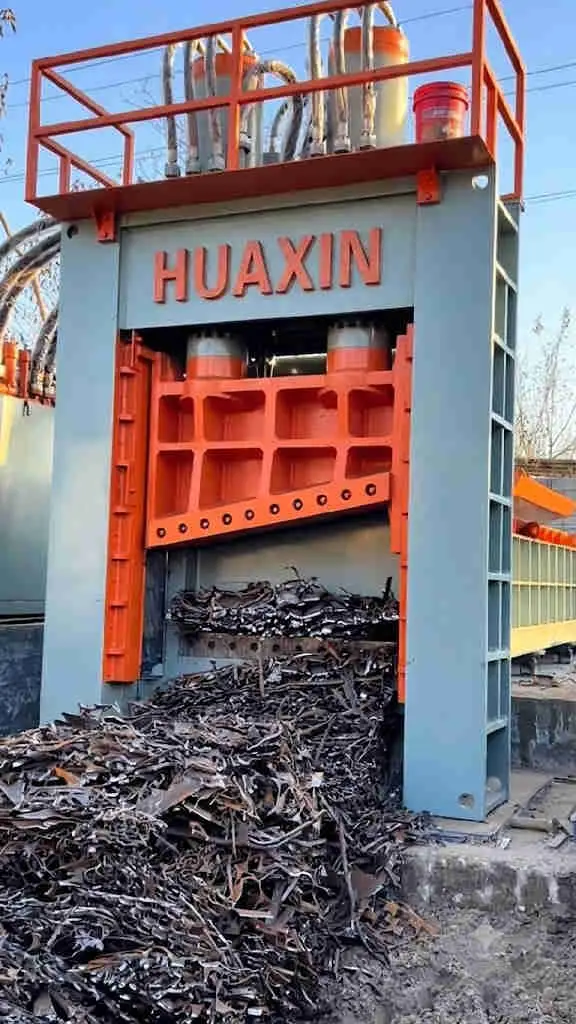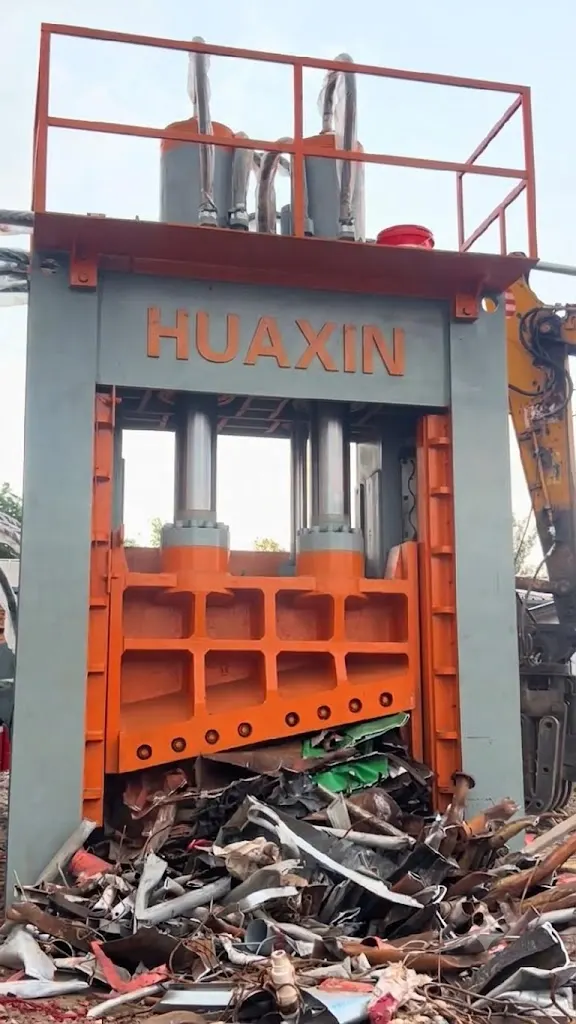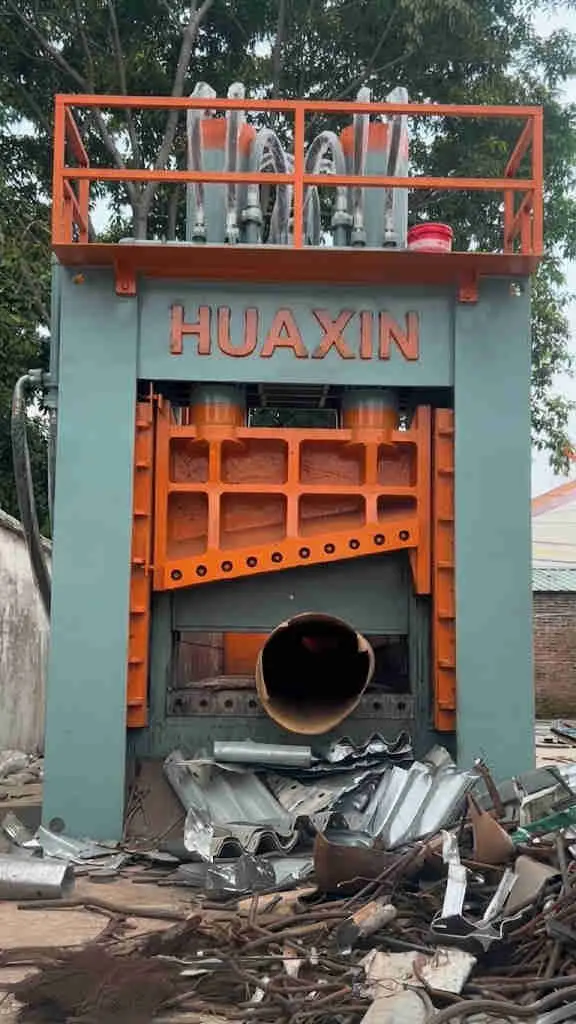
In heavy industrial metal reclamation and furnace feedstock preparation, deploying a high-performance heavy duty scrap metal shredder directly dictates shift throughput, recovery efficiency, and operating safety. For scrap processors operating the HX-DS1800 Car Body Scrap Metal Shredder manufactured by Huaxin Co., Ltd., optimizing rotor mechanics, blade hook clearances, and torque management is essential to eliminating shaft binding and maximizing net tonnage per operating hour.
The Mechanics of Drive Train Selection in Metal Shredding
Heavy-duty scrap shredding subjects drive systems to violent shock loads. When a dual-shaft shredder ingests a heavy truck axle, a solid cast iron engine cylinder head, or high-tensile structural beams, rotor shafts decelerate from operating speed to a dead stop in milliseconds. How that kinetic shock is managed dictates whether the machine operates reliably for years or suffers fractured gear teeth and bent shafts.
At Huaxin Co., Ltd., we engineer both electro-mechanical planetary gearbox drives and electro-hydraulic hydrostatic drives. Understanding the mechanical characteristics of each system enables scrap yard operators to select the optimal powertrain for their feedstock and operating schedule.
Direct Technical Comparison: Mechanical vs. Hydrostatic Drives
| Engineering Metric | Mechanical Motor-Gearbox (HX-DS Series) | Hydrostatic Hydraulic Drive |
|---|---|---|
| Primary Prime Mover | Dual High-Torque Electric Motors (TEFC IP55) | Electric Motor + Variable Displacement Piston Pump |
| Transmission Architecture | Hardened Helical-Planetary Gearboxes | Low-Speed High-Torque (LSHT) Radial Piston Motors |
| Shock Load Absorption | Fluid couplings & PLC auto-reverse valving | Hydraulic fluid compressibility & cross-over relief |
| Torque at Zero Speed | 180% to 220% of nominal torque | Full 100% rated torque available at 0 RPM |
| Energy Transfer Efficiency | High (92% to 95% electrical-to-mechanical) | Moderate (78% to 84% due to fluid shear) |
| Routine Maintenance | Annual synthetic gear oil change | Hydraulic filter changes & oil testing |
| Capital Acquisition Cost | Economical; lower initial capex | Higher capex (pump station & valving) |
System Integration: Pairing Shredders with Pre-Shears and Balers
Maximizing System Capacity: When configuring heavy automotive shredding lines, pairing your primary shredder with an upstream hydraulic scrap metal shear to pre-cut long frame rails and chassis beams enhances shredder throughput by 20% to 30% and eliminates torque overload stalls.
Following shredding, pairing the outfeed line with a 500 ton heavy duty scrap metal baler compresses loose car body shreds into dense, high-tonnage furnace cubes, while downstream separation can be refined through a scrap metal crusher for complete fluff and rust removal.
Engineering Recommendations: Matching Drive to Scrap Profiles
For 80% of scrap yard applications—including sheet iron, appliances, light demolition profiles, and auto bodies—Huaxin heavy mechanical drives equipped with planetary reduction gearboxes deliver the lowest $/ton operating cost and highest energy efficiency. For specialized yards handling extreme, unpredictable demolition chunks with frequent uncrushables, hydrostatic drives offer maximum stall protection.
Ready to configure your processing line or request factory-direct FOB/CIF pricing? Review full technical specifications on our HX-DS1800 Car Body Scrap Metal Shredder product page, explore our complete heavy duty scrap metal shredder machinery catalog, or contact our technical sales engineering team with your scrap material sample specifications and daily tonnage targets.