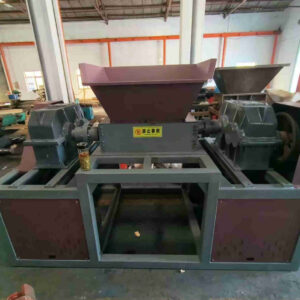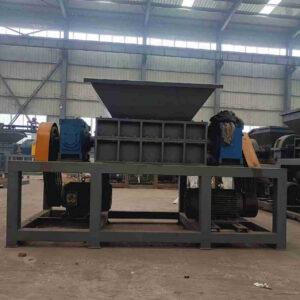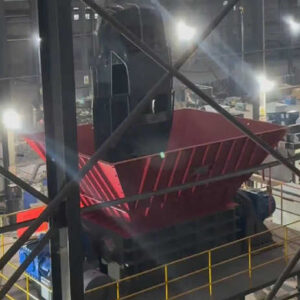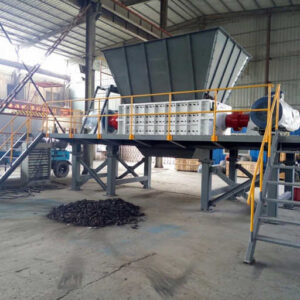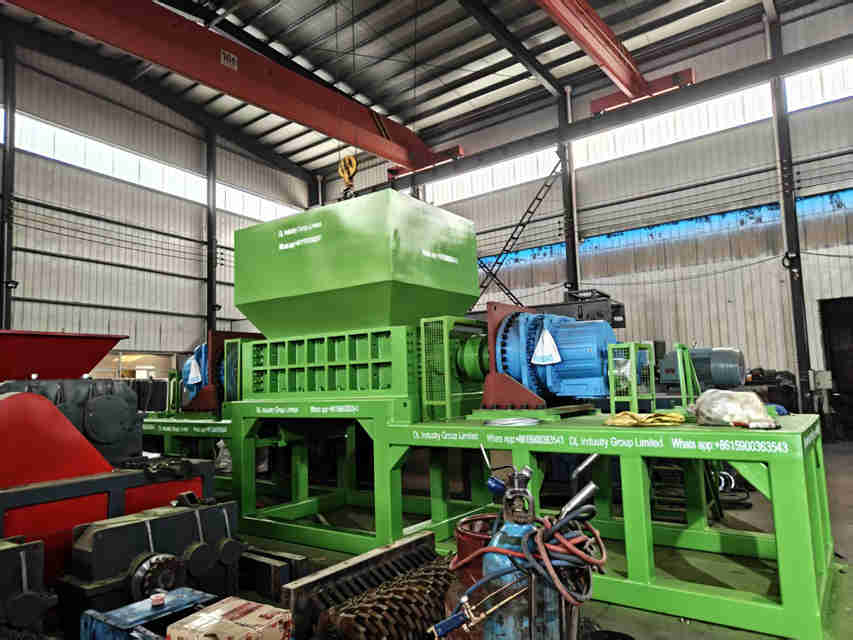
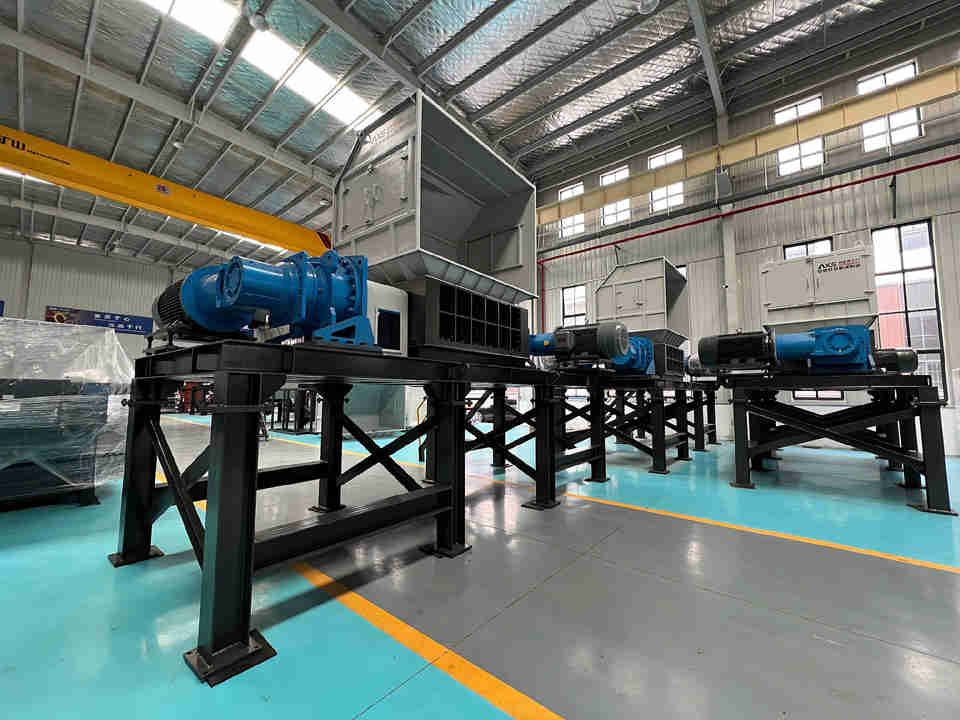
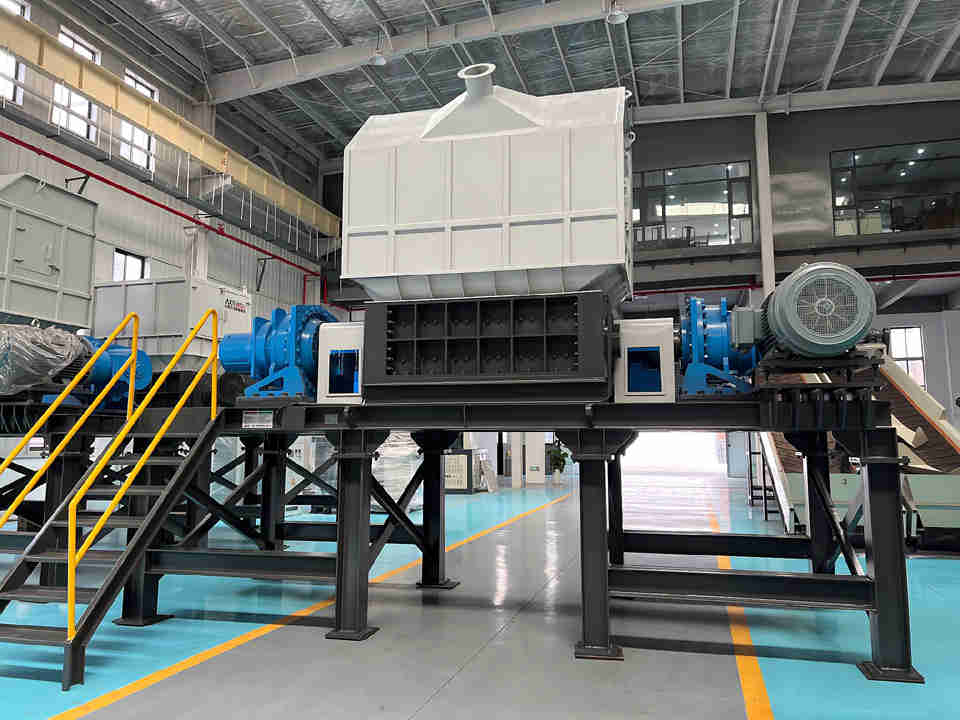
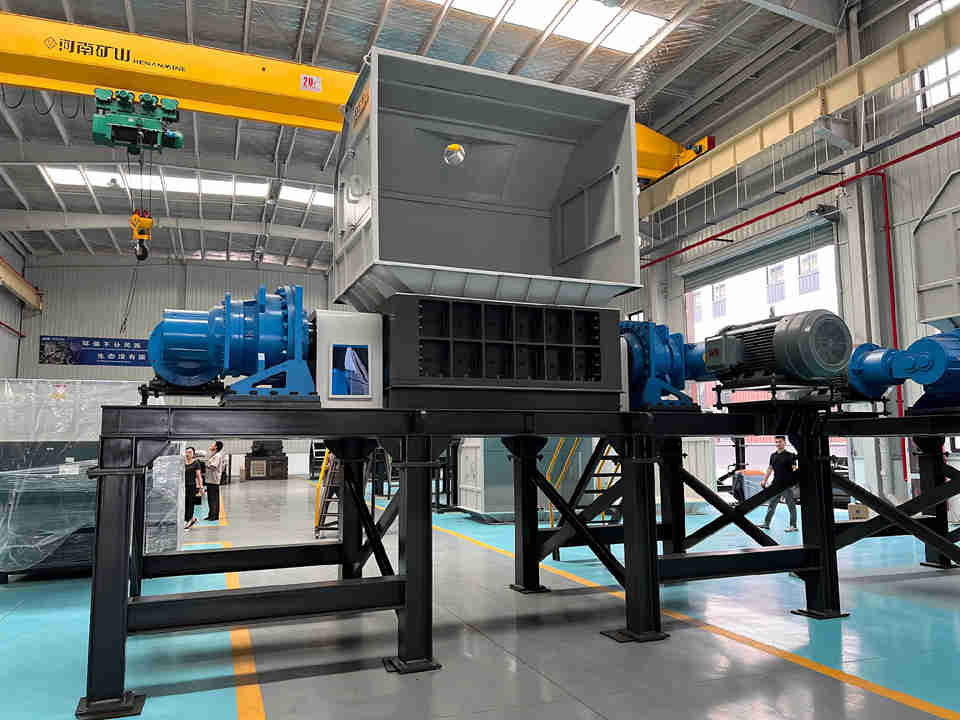
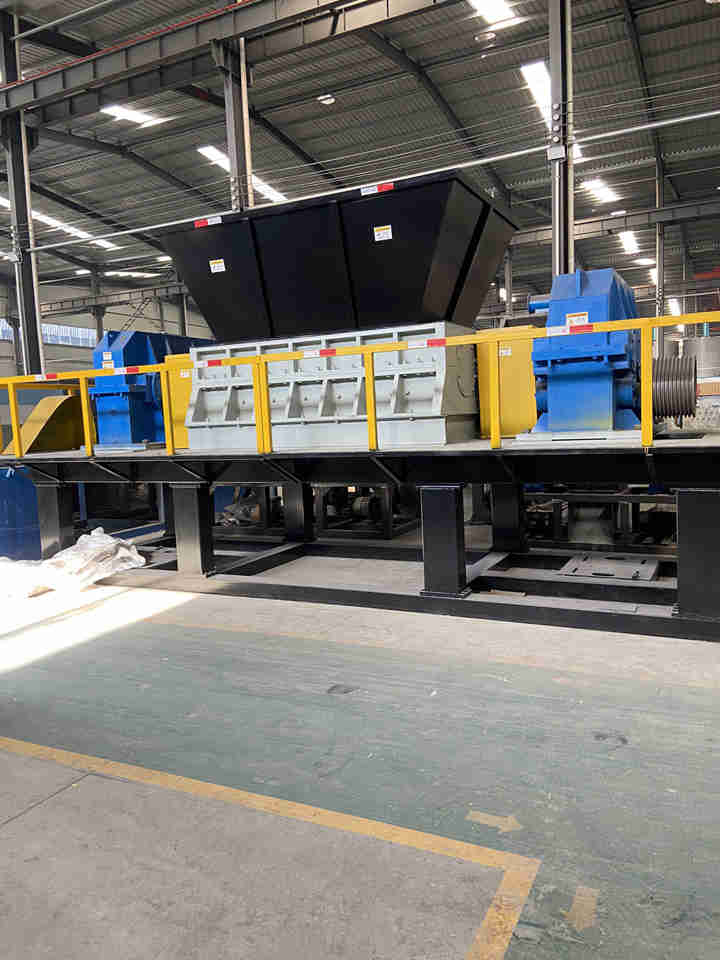
Car Shells Industrial Scrap Metal Shredder Machine | 15-42 TPH
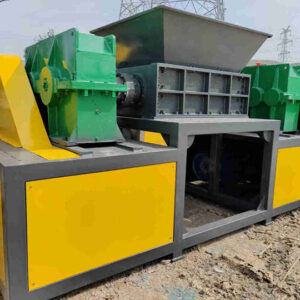
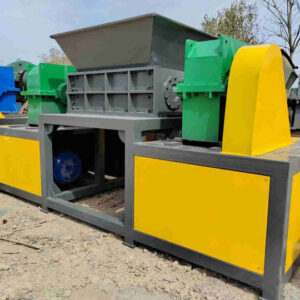
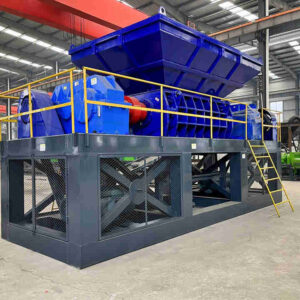
Car shells scrap metal shredder rated 15–42 tons per hour from a 2000 mm chamber — the volume ELV line machine, specified when shells are the material and tonnage is the reason the plant exists.
Motor options: 2×160 kW / 2×185 kW / 2×200 kW / 2×250 kW, dual motor drive.
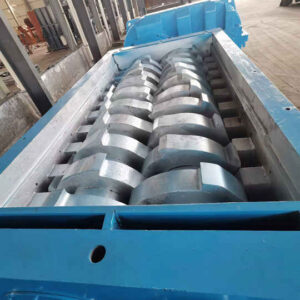
Blade options: M6V, H13 or Hardox 500, 550–680 mm diameter, 9-tooth Hardox 500 for residual components and commercial vehicle shells.
Built in-house: blade machining facility, mortise-and-tenon reinforced chamber frame, nylon-pin torque protection as standard.
Best for: high-volume ELV lines under contract, centralised dismantling networks, fleet and salvage disposal, export shredding to mill specification.
Not for: baled material — requires the 2200 mm chamber class.
Send your intake figures and a quotation follows within 48 hours.
Why Choose Huaxin
- Real Factory, 30+ Years Manufacturing Experience
- 24/7 Technical Support
- Customized Solutions Available
- Installation & Training Support
Description
Car Shells Scrap Metal Shredder for Sale – 15-42 Tons Per Hour for Volume ELV Lines
The HX-DS2000 is a 15 to 42 tons per hour car shells scrap metal shredder with a 2000 mm chamber. It is the machine we specify when vehicle shells are the material and the tonnage is the reason the plant exists. Above the HX-DS1800 and below the HX-DS2200, this class sits in the band where ELV lines become high-volume operations — the buyer here is not adding shredding to an existing business, they are building the business around it.
The 2×160 to 2×250 kW motor range is the widest in the light-to-vehicle part of our line, and it is there for a reason: shells arrive with wildly different residual content. The option that suits one plant’s de-polluted fleet intake is not the option that suits another’s mixed salvage, and the honest answer is to match the power to the material rather than sell one configuration to everyone.
Who the HX-DS2000 Is Built For
This chamber class is bought where shells dominate and volume is committed:
- High-volume ELV shredding lines processing vehicles under a tonnage contract with a mill or a trading house.
- National dismantling networks centralising shells from several branches into one processing site.
- Fleet disposal operations handling written-off commercial vehicles, where shell thickness and component content are higher than passenger cars.
- Export shredders producing a graded ferrous fraction for overseas steelmaking at premium specification.
If shells are a minority of your intake and light scrap is the majority, the HX-DS1800 or the 1500 mm class will do the same work at less cost — we would rather tell you that than sell the bigger machine.
Where the HX-DS2000 Sits in the Shredder Range
Eight chamber classes run from 800 mm to 2600 mm, covering 2 to 60 tons per hour. The 2000 mm class is the second step of the vehicle-duty group, above the HX-DS1800 and below the HX-DS2200. The three overlap on paper: this machine’s 15 to 42 tons per hour band shares ground with both neighbours. That overlap is real, and it reflects material rather than sloppy specification.
What separates them in practice is the bite and the sustained load. A 2000 mm chamber takes a larger shell section per pass than a 1800 mm chamber, and the 2×250 kW option sustains output on heavier residual content where the smaller machine would sag. The difference from the 2200 mm class is that this machine is not specified for baled material or for the very heaviest mixed streams — those belong to the class above.
Key Specifications – HX-DS2000
| Item | Specification |
|---|---|
| Model | HX-DS2000 car shells scrap metal shredder |
| Throughput | 15–42 tons per hour (material-dependent) |
| Chamber length | 2000 mm |
| Motor quantity | 2 motors |
| Motor power options | 2×160 kW / 2×185 kW / 2×200 kW / 2×250 kW |
| Rotating speed | 5–10 r/min |
| Blade diameter | 550–680 mm (configured to output size and material) |
| Blade materials | M6V, H13 or Hardox 500 |
| Blade hardness | 50–62 HRC options |
| Shaft material | 45# steel or 40Cr |
| Gearbox | ZQ series, ZSY series or planetary reducer |
| Input voltage | 380V / 400V / 415V, 50 Hz or 60 Hz |
| Power sources | Electric supply |
| Certification | CE / ISO 9001 |
| Origin | Tangshan, China |
Capacity note: the band assumes de-polluted shells fed continuously. Whole bodies with drivetrain components attached, or mixed salvage with uncut structural members, reduce the figure — and removing those components before the hopper is standard practice anyway.
Applications – Where the HX-DS2000 Earns Its Keep
At this output the car shells scrap metal shredder is the plant. The settings below are where the 2000 mm chamber class is the specification we would quote ourselves.
High-volume ELV lines under a tonnage contract
When the plant’s revenue is a contracted tonnage rather than spot purchases, uptime and sustained output are everything. The mid-band figure has to be achievable daily, not occasionally, which drives the specification toward the larger motor options and planetary reducers. We build this class to that standard because that is how it is sold.
Centralised processing for dismantling networks
Branches strip parts locally and ship shells to one site. Arriving shells have already lost their engines, transmissions, batteries and tyres, so they feed clean and fast — and the receiving site’s job is pure volume. This class clears a branch network’s shell output without becoming the constraint on the network’s dismantling capacity.
Commercial fleet and salvage disposal
Written-off commercial vehicles are heavier than passenger cars. Thicker section, larger subframes and residual components all push the motor specification upward, and this is the class where 2×250 kW earns its place. Fleets processed under a contract need a machine that does not flinch at the heavy third of the intake.
Export shredding to mill specification
Export buyers pay a premium for a tight size distribution with low fines and low contamination. Producing that consistently from vehicle shells is a knife-geometry and power question: set the blade profile to the contracted size range and hold it with enough installed power that the knives never labour.
Materials the HX-DS2000 Processes
Shell material is the design duty of this scrap metal shredder, with heavy mixed salvage as the secondary stream. The table reflects how this car shells scrap metal shredder is specified for 2000 mm chamber work.
| Material | Suitability | Typical configuration |
|---|---|---|
| De-polluted car shells, passenger vehicles | Core duty of this class | 7-tooth Hardox 500, 2×185 kW |
| Whole bodies with residual components | Good, at reduced output | 9-tooth Hardox 500, 2×200 kW |
| Commercial vehicle shells and subframes | Good — heavier duty | 9-tooth Hardox 500, 2×250 kW |
| Cut vehicle panels and body parts | Good | 7-tooth Hardox 500, 2×185 kW |
| Mixed light steel and sheet | Good — runs at the top of the band | Dense-tooth blades, 2×160 kW |
| White goods and appliance shells | Good | Dense-tooth M6V blades, 2×160 kW |
| Structural offcuts and cut section | Acceptable in cut lengths | 9-tooth Hardox 500, 2×250 kW |
| Baled or bundled scrap | Not recommended | Requires the 2200 mm chamber class |
Tell us how your vehicles arrive — whole, drained, engines out, tyres off — and we will specify the motor package and knife steel against that rather than against a nominal rating.
How the HX-DS2000 Works
On this car shells scrap metal shredder a shell enters the hopper and the first knives hook it open. The panels break apart and work down the chamber between two counter-rotating shafts turning at 5 to 10 revolutions per minute, where the remaining material is torn to the discharge size. In a dual shaft machine the action is tearing rather than impact, which keeps the output a controlled flake and limits fines — the difference between a premium fraction and a discounted one.
Vehicle material contains non-metal by definition. Glass, plastics, rubber remnants and wiring pass through or are pulled out at separation, which is why a properly run line removes tyres, glass and large plastic trim before the hopper. Discharge falls to a conveyor and travels through the magnetic separator for ferrous recovery and the eddy current separator for aluminum and copper, with a scrap metal crusher available downstream where the contract calls for a finer size.
Surviving a heavy feed
Whole vehicles hide things. The nylon pin coupling between gearbox and drive is the designed sacrificial element — torque beyond its limit shears the pin, disengages the drive and gives the operator a chance to clear the chamber. On a car shells scrap metal shredder running continuous volume, that component is what keeps one bad body from becoming a week of downtime.
Choosing the Right Configuration
By material
Clean de-polluted passenger shells suit 2×185 kW. Whole bodies with residual components need 2×200 kW. Commercial vehicle shells, subframes and mixed salvage belong on 2×250 kW with 9-tooth Hardox 500 knives. Where the plant’s feed is predominantly light steel with only occasional shells, 2×160 kW is enough and saves capital.
By component content
This is the variable that decides the motor package on a car shells scrap metal shredder. Every engine, axle and transmission left in the shell is both extra mass to bite and a hidden risk in the chamber. Removing them at the dismantling stage costs minutes and protects the knives; leaving them in costs knives, pins and output.
By duty cycle
Volume ELV lines run long hours. Specify 2×250 kW with automatic lubrication and planetary reducers for anything approaching two shifts; 2×185 kW covers a single shift of clean de-polluted shells comfortably.
By available power supply
380V, 400V or 415V at 50 Hz or 60 Hz, packaged to the destination market’s standard. At 2×250 kW the incoming supply and starting method must be confirmed before quotation, and we will do that as part of the process rather than after delivery.
Why Buy the HX-DS2000 from HUAXIN
Knife supply is the recurring cost, and it is in-house. A volume line consumes knives on a schedule, and the specification is only worth what the delivered steel is worth. We machine our own blades to M6V, H13 or Hardox 500 and heat treat into the 50–62 HRC band the configuration calls for.
The chamber is specified for asymmetric heavy load. Shell feed is not evenly distributed across the shafts, and over years that produces misalignment in chambers not built for it. The mortise-and-tenon reinforced structure holds alignment under those loads.
Drive protection is standard. The nylon pin coupling is fitted, not optional. At this class it is the component that decides whether a hidden engine block costs you five minutes or five figures.
Reducers chosen for stop-start loading. ZQ, ZSY and planetary gearboxes are all available on this class. For vehicle duty with intermittent biting we generally recommend planetary reducers for their torque density and efficiency.
One supplier for the whole ELV line. Conveyors, magnetic separator, eddy current separator, scrap metal crusher and scrap metal baler can be engineered against this machine as one package, so the plant is commissioned as a system.
Options and Customization
- Knife profile and tooth count — dense tooth, 7-tooth or 9-tooth — set to your vehicle mix
- Blade diameter between 550 mm and 680 mm to meet a contracted discharge size
- Blade steel: M6V, H13 or Hardox 500
- Automatic lubrication of bearings and shaft seals
- Loader-height hopper sized for whole-body charging
- Discharge conveyor matched to the magnetic and eddy current separation line
- Heavier shaft, bearing and pin coupling specification for high-impact duty
- Control panel, PLC interface and safety interlocks to your plant standard
- Dust and noise suppression where the plant adjoins occupied premises
- Complete ELV line integration including separation equipment
Footprint, Installation and Commissioning
A reinforced concrete foundation, a power feed matched to the selected motor package and loader access to the hopper are the site’s contribution. This car shells scrap metal shredder requires no specialised pit, and the machine arrangement is matched to the separation line’s conveyor run so the plant is built once, in the right sequence.
Foundation and assembly drawings, electrical schematics, a commissioning manual and operator training come with the machine, and our engineers can attend start-up. The spares kit quoted alongside it — knives, shear pins, seals, bearings, lubricants — covers the first year of wear parts, which at this output is a meaningful quantity.
Honest Limits: When to Buy Something Else
Two situations make this car shells scrap metal shredder the wrong purchase.
The first is baled material. Bales defeat this chamber and belong to the 2200 mm class and above. The second is a plant whose tonnage requirement has genuinely passed 42 tons per hour, where the HX-DS2200 (20–50 tons per hour) is the correct step and the HX-DS2600 (25–60 tons per hour) exists for mill-scale duty. Below this class, the HX-DS1800 (10–36 tons per hour) covers lower-volume ELV work at lower cost.
Compare all eight classes in the dual shaft scrap metal shredder range, or send your intake figures and a quotation within 48 hours.
Frequently Asked Questions
What output should I plan a contract around?
The mid-band figure of 15 to 42 tons per hour, achieved with continuous feeding of de-polluted shells. Whole bodies with drivetrain components attached reduce it. We will state the expected number for your specific intake in writing before you commit.
How does this differ from the HX-DS1800?
Chamber length — 2000 mm against 1800 mm — and the top motor option, which reaches 2×250 kW here against 2×185 kW. In practice that means a larger bite and sustained output on heavier residual content. A clean de-polluted passenger-car line can run either machine; a commercial vehicle or heavy salvage stream should not.
How does it differ from the HX-DS2200?
The 2200 mm class adds blade diameter range and motor capacity for the heaviest mixed streams, and it is the class we specify for baled material. If bales are in your future, buy the larger chamber now rather than discovering the limit later.
What vehicle preparation gives the best output?
Drain fluids, remove the battery, remove tyres from the shell, take out the catalytic converter, and pull engines and transmissions where the line allows. Every one of those steps protects knives and raises the tonnage you get per shift.
Which motor package suits a fleet disposal contract?
2×250 kW with 9-tooth Hardox 500 knives. Commercial vehicle shells and subframes are heavier than passenger bodies, and the larger package holds output where a smaller one would sag on the heavy third of the intake.
What separation equipment follows the shredder?
A conveyor to a magnetic separator for ferrous, then an eddy current separator for aluminum and copper. A scrap metal crusher goes between them where a finer size is contracted, and a scrap metal baler handles the non-ferrous fraction at the end of the line.
What maintenance should a volume line schedule?
Daily knife clearance and bolt torque checks, weekly lubrication and bearing temperature checks, and blade regrinding at intervals set by shell abrasiveness. Automatic lubrication is a specification we press for at this output, and the spares kit quoted with the machine carries the first twelve months of wear.
Do you supply the complete line?
Yes. Shredder, conveyors, magnetic separation, eddy current separation, crusher and baler are all supplied as one engineered package and commissioned together.
Additional information
| Item | Car Shells Industrial Scrap Metal Shredder Machine |
|---|---|
| Chamber Length | 2000mm |
| Model | HX-DS2000 |
| Chamber size | Customized according to diameter of the blade |
| Rotating speed | 5-10 r/min |
| Motor Quantity | 2 pcs |
| Motor Power | 2×160 kW / 2×185 kW / 2×200 kW / 2×250 kW |
| Gear box | ZQ series, ZSY series and Planetary Gear Reducer |
| Blade Quantity | Customized according to different materials |
| Blade Materials | M6V, H13, and Hardox 500 are available as options. |
| Blade Hardness Range | 50-62 HRC as options. |
| Blade Diameter | 550-680mm as options according to different output rate and materials |
| Blade Teeth | For soft materials, a dense-tooth configuration is used. |
| Shaft | 45# or 40Cr |
| Input voltage | 380V, 400V, 415V, 230V with 50HZ or 60HZ. |
| Power sources | Customized: electric, generator or diesel engine |