Cutting Force: Static vs Effective at the Blade
The rating describes the hydraulic system; the cut happens at the blade. The distance between those two facts is where sizing mistakes live.

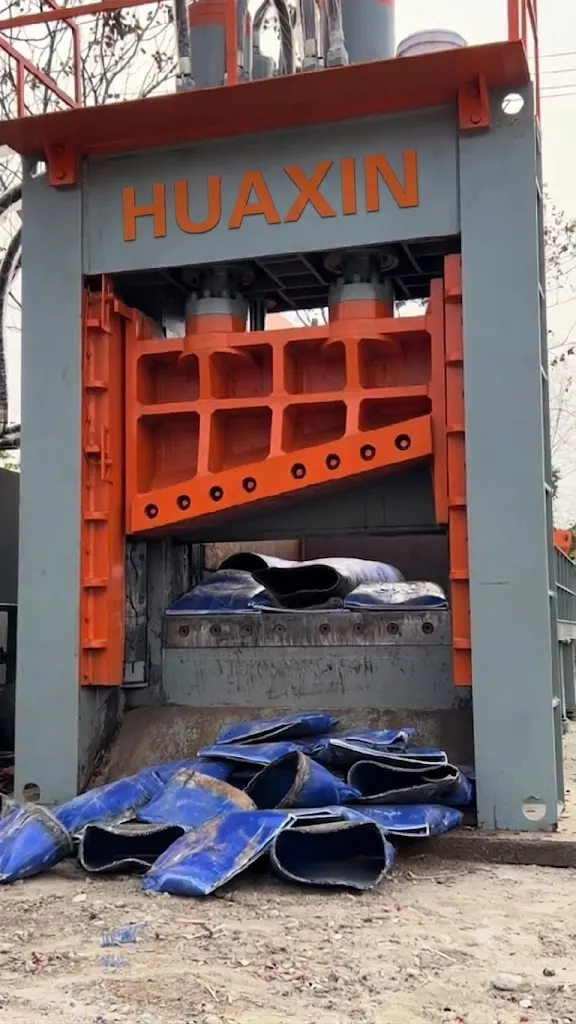
The rating describes the hydraulic system; the cut happens at the blade. The distance between those two facts is where sizing mistakes live.
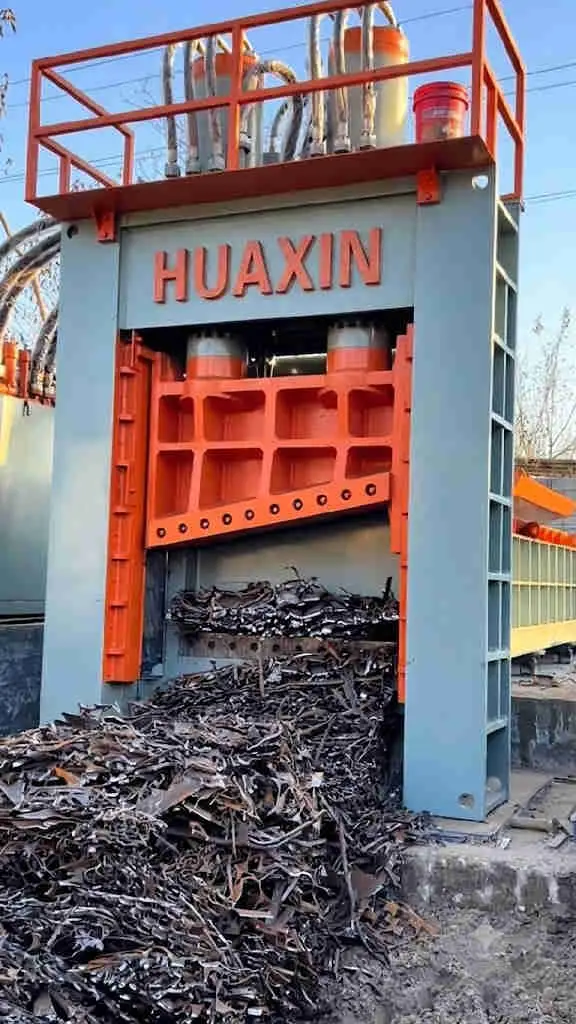
Not a lifestyle choice — an amortization question. The exchanges on each side, and the one question that settles most cases.
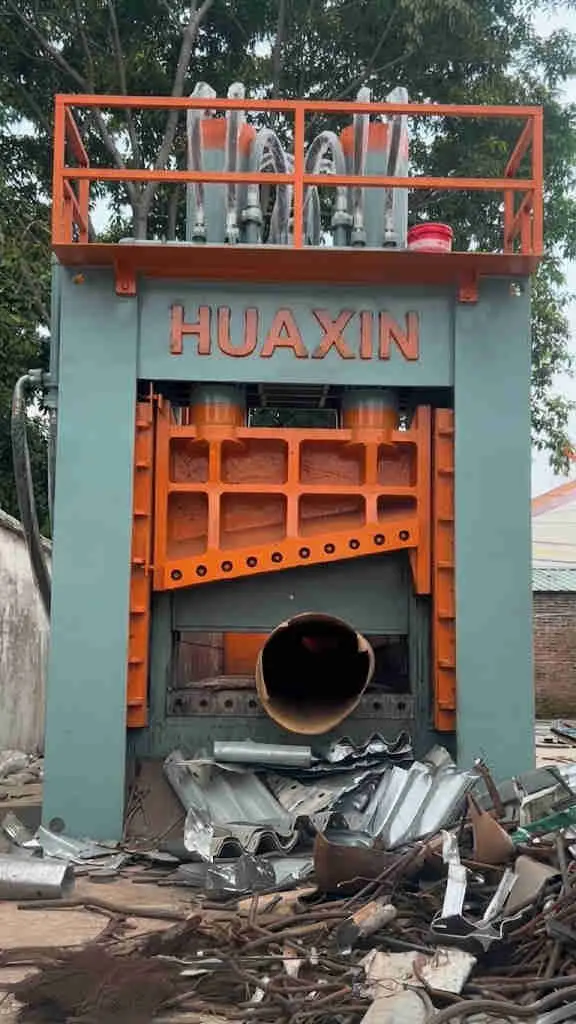
Force decides whether the machine can cut a piece; the box decides whether the piece can enter at all. The measurement, and the two boundaries.
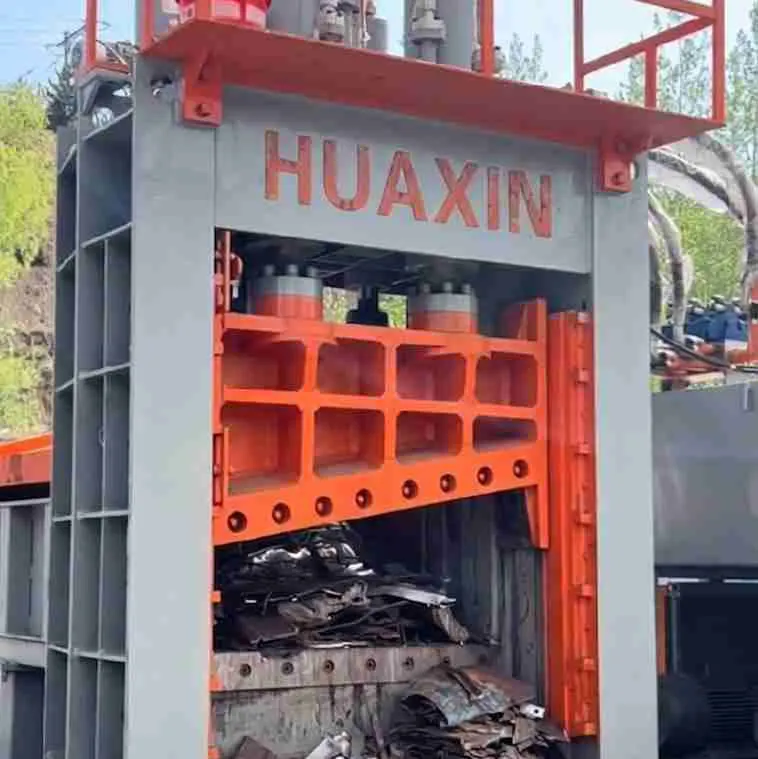
Bundled or loose, consistent or variable, pre-sorted or as-it-comes-down. Four questions about your intake decide the design.
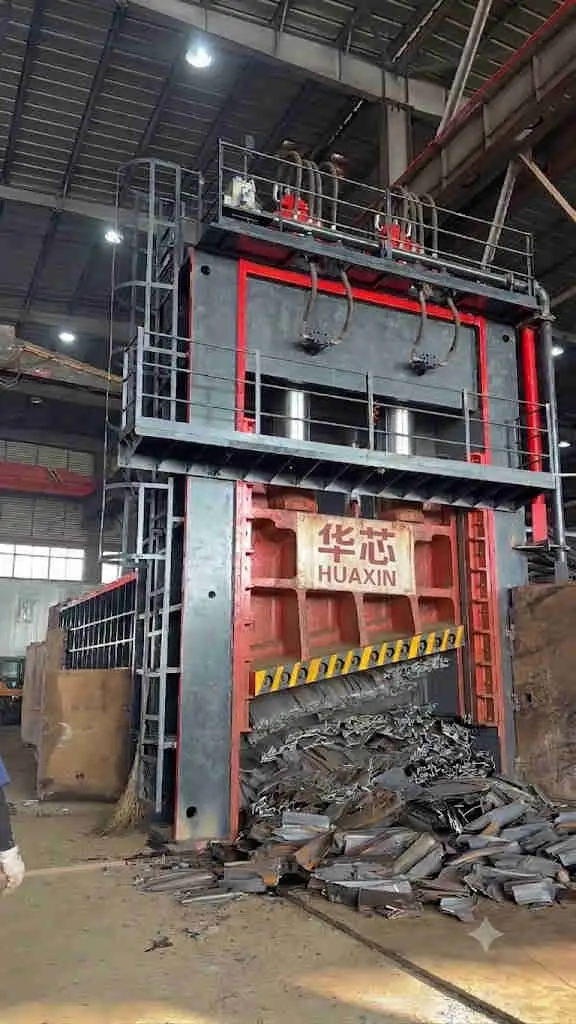
Ask a three-shift operator what their shear costs and they name the day it stopped. The accounting method for pricing that before the order.
The same machine through two channels, and the difference is not the price — it is what happens to the specification in transit.
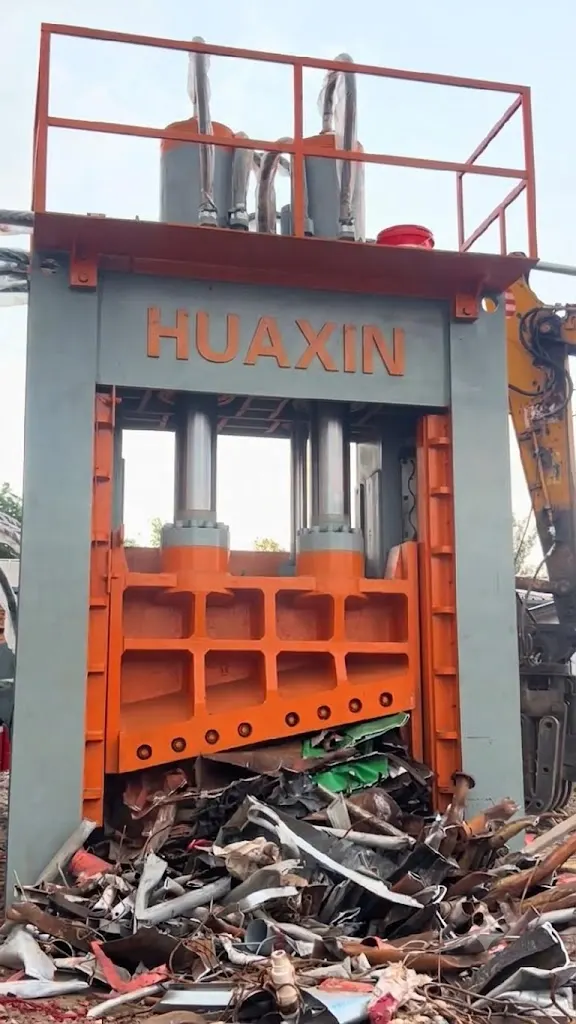
A quotation is read twice: once for the price and once for the specification. The second reading decides whether the first was about the right machine.
The apparent economy of building a chipped edge back up is false. The metallurgy, the failure, and what to do instead.
No formula converts material into tonnage, but a rule of thumb keeps the decision honest. The 1.5x rule, worked through two real material lists.
Five notes, in order: the material list is the specification, and everything else on the quotation follows it.