
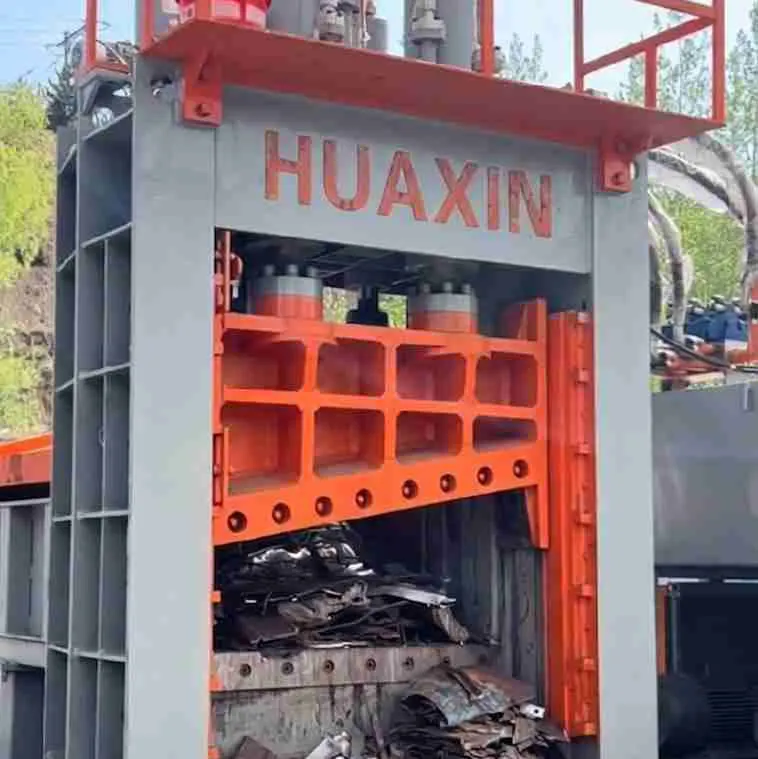
On mixed light scrap, the sorting pass is where the money is made, and the machine is where the money is spent. A yard that feeds the box whatever the crane drops is selling a mixed cut at a mixed price. A yard that sorts before the box is selling separated streams at separated prices, and the shear runs cleaner for the difference. This article covers what the sorting pass recovers and how it changes the machine’s numbers. In day-to-day scrap cutting equipment production, our 200 Ton Scrap Metal Shear (Q91-200) demonstrates why matching machine capacity to scrap thickness keeps wear costs predictable.
What the sorting pass recovers
The first thing the pass recovers is the non-ferrous. Copper wire, aluminum profiles and brass fittings all hide in a mixed light load, and each one sells at a multiple of the ferrous price. Fed into the box, that value gets buried in the ferrous cut and lost. Pulled at the gate, it sells at its own price, and the difference is the margin the mix was carrying all along.
The second thing the pass recovers is the machine’s edge. Non-steel, wood and plastic dull the blade for no cutting return, and removing them before the box lengthens the rotation interval on the same tonnage. The sorting pass is blade insurance in the same motion that it is value recovery, and both pay for the operator’s time.
The third thing it recovers is density. Dense steel, separated from the light, charges the box the way the band assumes it will be charged, and the tons per bite climb. A sorted box moves more weight per cycle than a mixed box, and the band follows. The material matching guide maps the streams to their buyers.
How to run the pass
The pass is one position at intake with one job, and it does not need to be complicated. A fork or grapple sets each load down where someone can see it. Non-ferrous comes out first, into its own bin. Non-steel comes out next, into the waste stream. Oversize pieces get set aside, and the dense steel goes toward the box. The position costs one operator on the shifts that matter, and it is the cheapest value recovery in the yard.
The discipline is the hard part, because the pass only works when it runs every load, not when it runs on the loads that look worth it. A partial pass recovers a partial margin, and the habit forms in the first month or it does not form. The feeding discipline guide covers the same logic from the box’s side.
Measure the pass the way you measure anything else: weigh the non-ferrous it pulls in a month, and price it. The figure is the argument for keeping the position, and it usually settles the question by itself within the first few weeks.
What the pass does to the shear’s numbers
The pass changes three numbers on the shear, and all three move the right way. Blade life climbs, because the edge stops hitting non-steel. Throughput climbs, because the box is charged with dense steel rather than mixed air. And the cut itself sells better, because a sorted cut carries a cleaner specification than a mixed one.
The rotation log is where the first change shows up. When the interval lengthens on the same tonnage, the pass is working, and the log is the proof. The maintenance guide covers reading the interval, and the band guide covers what the throughput should do on a sorted feed.
The third change shows up at the buyer. A sorted cut carries the specification the buyer can trust, and a trusted specification is worth a better price on the load. The pass improves the machine and improves the sale, and the second change happens upstream.
Where the pass stops being enough
The sorting pass fixes the mix, but it does not change the material. A yard whose intake is genuinely dominated by bulky mixed waste, the kind a sorting pass cannot clean by hand, needs a shredder stage, not a better gate. The pass and the shredder do different jobs: the pass separates what can be separated by hand, and the shredder liberates what cannot.
The shear versus shredder guide covers the line between them, and the stage decision guide covers when the hand-sort stops scaling. The signal is the same set-aside pile: when it grows from monthly to daily, the pass is out of its depth.
Engineering & Field FAQ: Sorting Before the Box Pays
Is sorting worth the operator’s time on light scrap?
It is where the margin lives. The non-ferrous the pass pulls sells at a multiple of the ferrous price, and the same motion lengthens blade life and improves the cut. Weigh a month’s non-ferrous and the answer is the price tag.
What should I sort out first?
Non-ferrous first, because it is the highest value. Non-steel next, because it dulls the blade. Oversize pieces last, into the set-aside area. The order is value, then blade, then fit.
Does sorting change the throughput?
Yes, upward. A sorted box is charged with dense steel, which moves more weight per bite than mixed air, and the band follows. The pass costs time at the gate and returns it at the box.
What do you need to review my sorting setup?
Your typical mix, what the pass currently recovers, and the daily tonnage. The written recommendation comes back within two business days, including when the honest answer is a shredder stage instead of a better gate.
How long before the sorting pass pays for itself?
Usually within the first month, because the non-ferrous it recovers is the highest-value material in the load and the volume is steady. Weigh a month’s recovery and price it against the operator’s time, and the answer is a number rather than a guess. The pass also lengthens blade life, which is a second return on the same position that most yards do not count.
Looking for a custom layout or spare-parts package tailored to your yard? Compare full machine parameters on our 200 Ton Scrap Metal Shear (Q91-200) page, review our industrial scrap cutting machines engineering hub, or contact HUAXIN’s Tangshan engineering team with your feedstock photos and target daily tonnage.